
PAGE UNDER ACTIVE DEVELOPMENT
This collection of images comes from many contributors. The earliest photos date to the early 1960s, when U.S. Peace Corps volunteer Rolfe Leary was assigned to Saint Lucia in 1961 and William G. Lang served as Forestry Supervisor. Additional early images were contributed by Peter Lang, William’s son. Later photos came from the collections of various research collaborators, visiting Peace Corps volunteers and staff members. All efforts have been made to correctly attribute the source of the photos based on available information.
We hope you enjoy these memories and welcome any photographic contributions to our Forestry Stories.
Prior to 1970
The Original Guardians
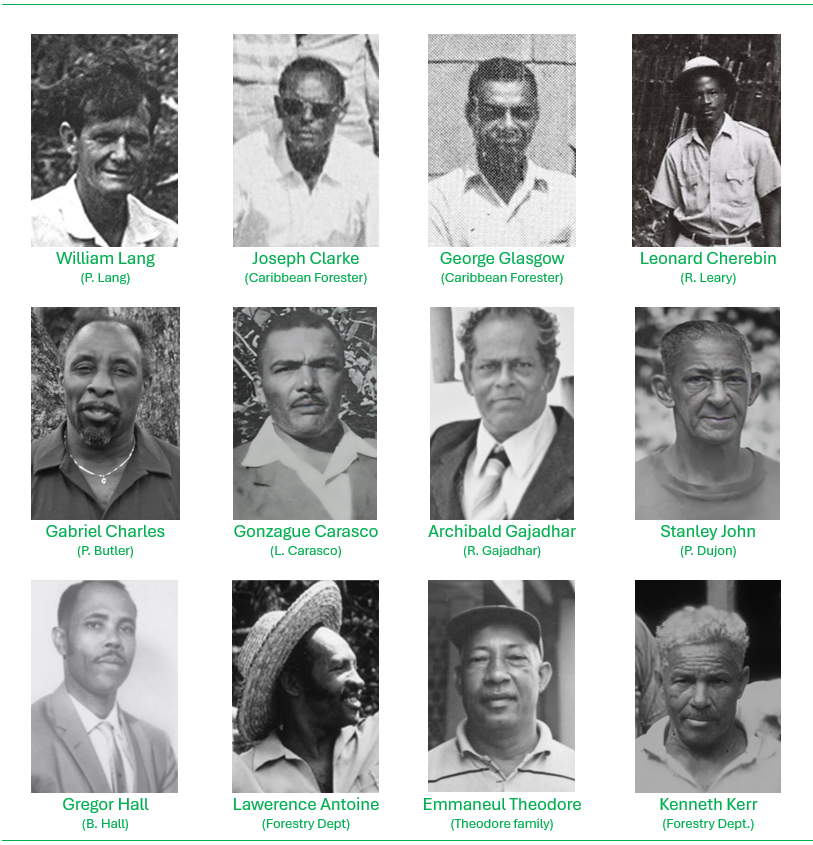
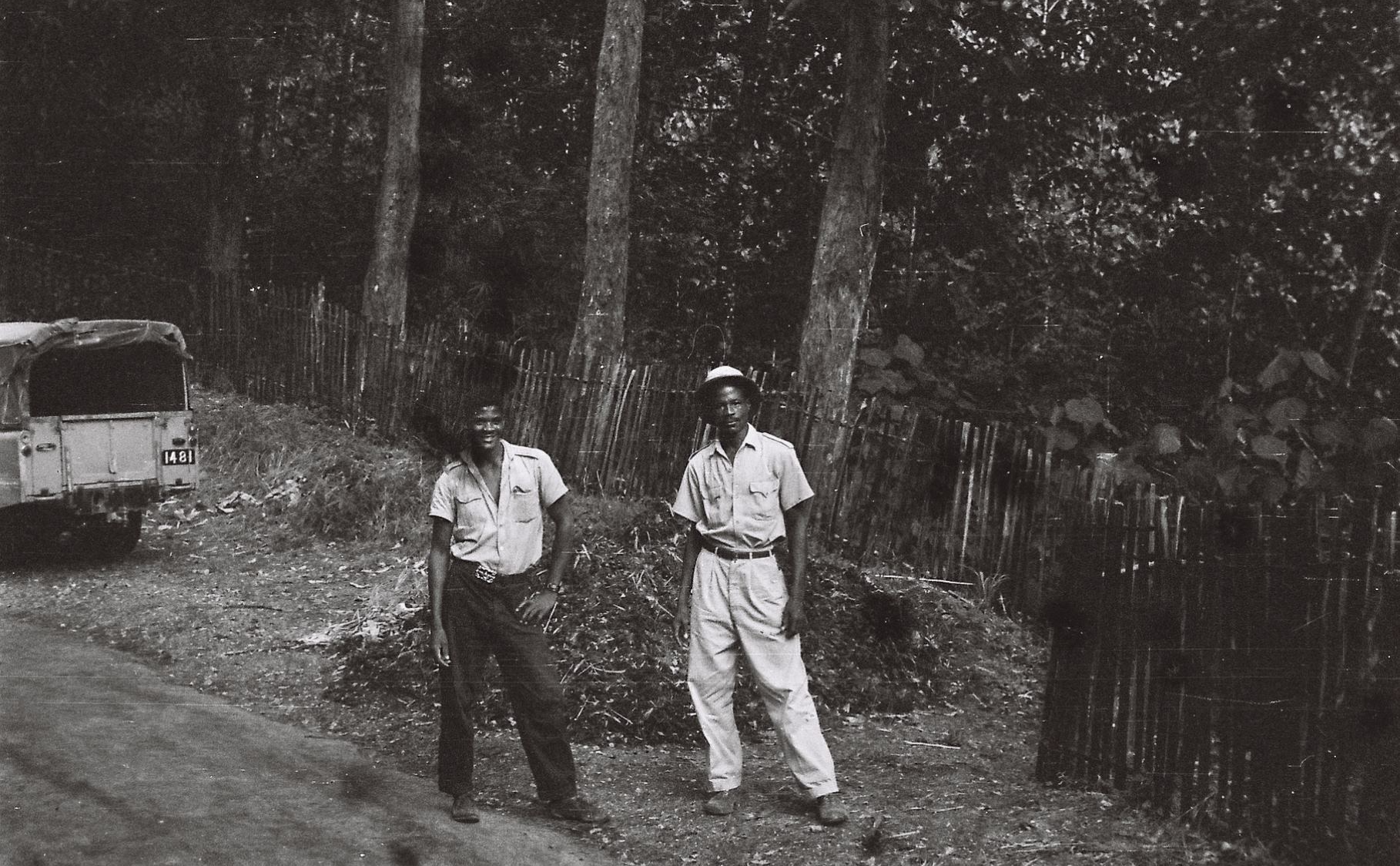
The image collection below features staff from the Forestry Division’s first 30 years, beginning with the recruitment of William G. Lang from Grenada in 1946. Lang served as Forest Supervisor until his retirement in 1971. He was supported at the senior management level by George Durrant Glasgow, Archibald “Archie” Gajadhar, and Gabriel “Coco” Charles. After Lang retired, George Glasgow took over management, followed temporarily by David Moore, a UK forester, the-then Conservator of Forests for Trinidad and Tobago who was assigned to Saint Lucia to help implement the first forest management plan. Gabriel Charles succeeded Lang in 1972. Forest officers included Joseph Clarke, Gonzague Carasco, Gregor Hall, Emmaneul Theodore, and Lawerence Antoine, while Stanley John, Leonard Cherbin, and Kenneth Kerr served as forest guards and Crown Lands wardens.
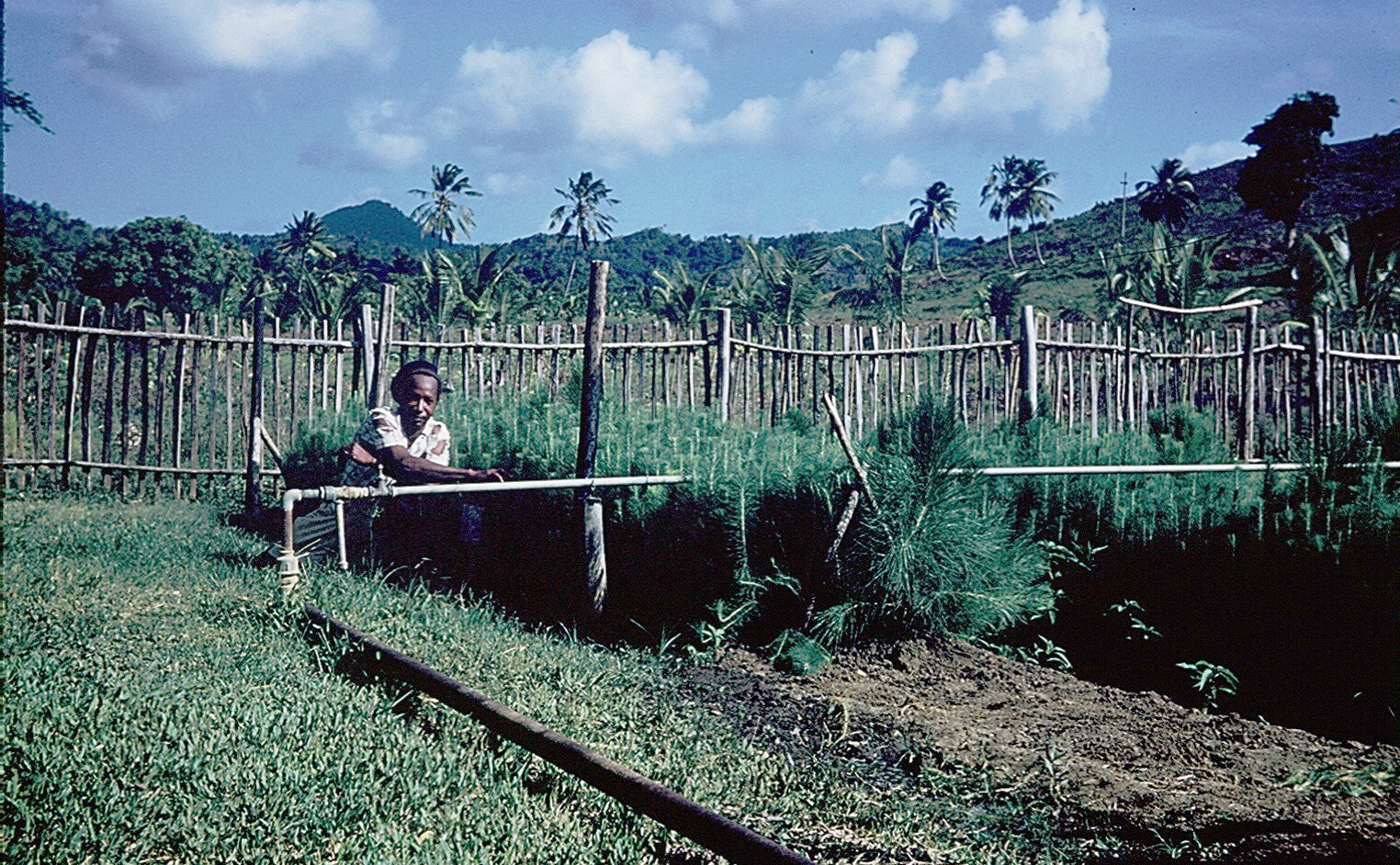
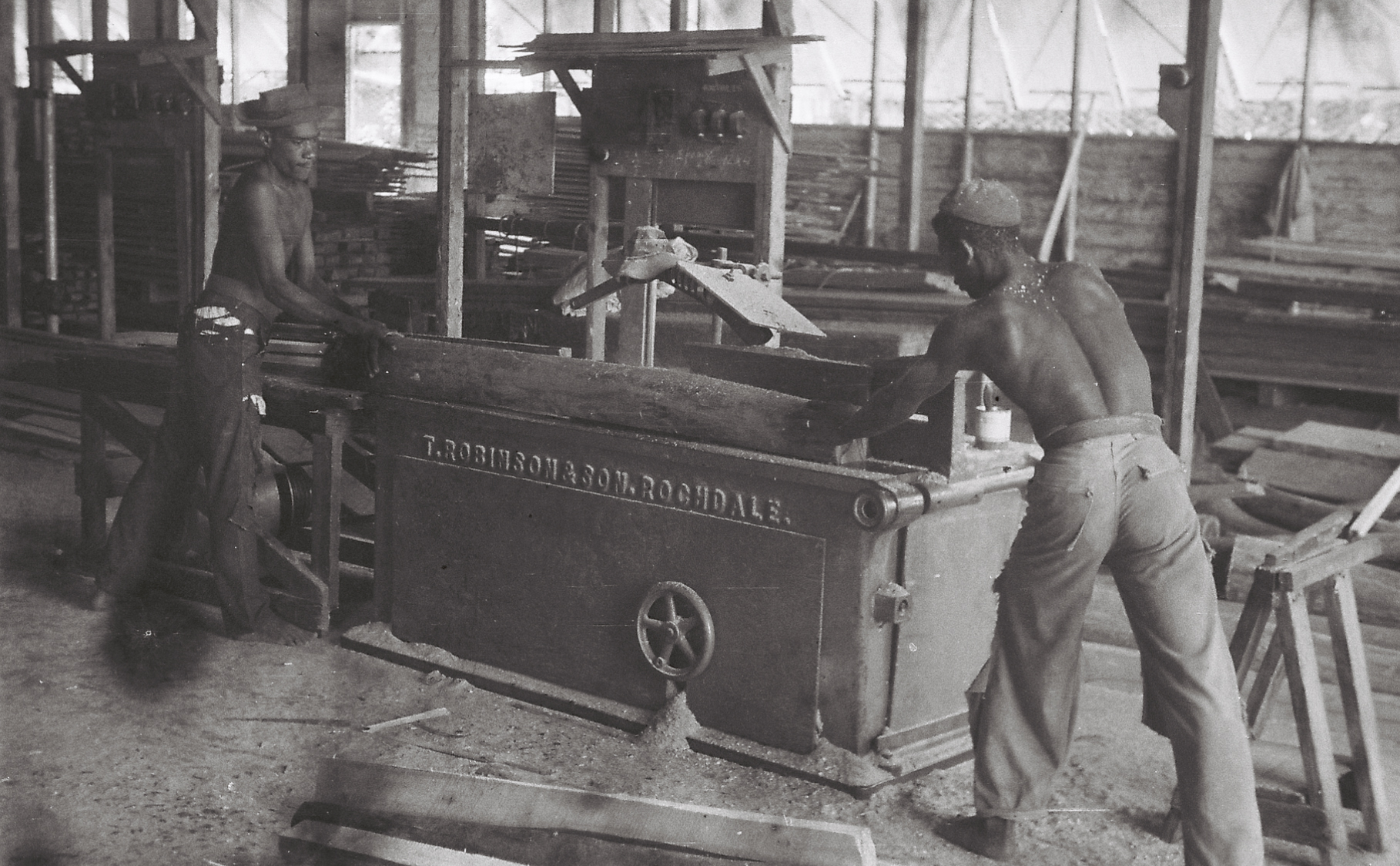
During the 30 years following the establishment of the Forestry Division, priority was given to addressing deforestation, particularly along the Barre de l’Isle, following the catastrophic 1938 landslides that claimed about 150 lives. Extensive planting of fast-growing exotic tree species, including Blue Mahoe and Caribbean Pine, was carried out at the Barre de l’Isle and in other areas such as Forestiere, Quilesse, and Edmund Forest. In those days, there still was heavy reliance on local tree species for building construction, so these exotic species, along with Honduras Mahogany and Teak, were introduced as substitutes to avoid over-exploitation of the native trees. These exotic trees were planted in uniform plantations, where in some areas native forests that comprised commercially ‘less-valuable’ species were replaced with higher-value exotic species. The plantations were managed for commercial harvesting under the supervision of senior staff. During the 1960s and into the 1970s, Archibald “Archie” Gajadhar and David Moore held primary responsibility for overseeing forest extraction operations.
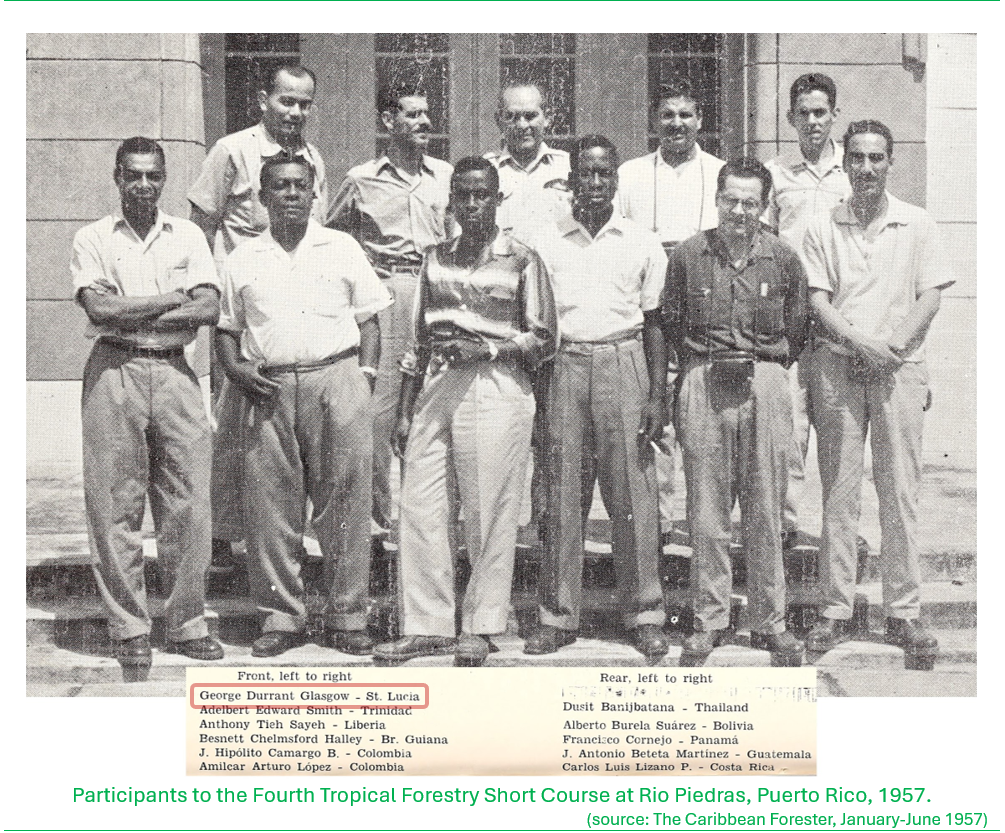
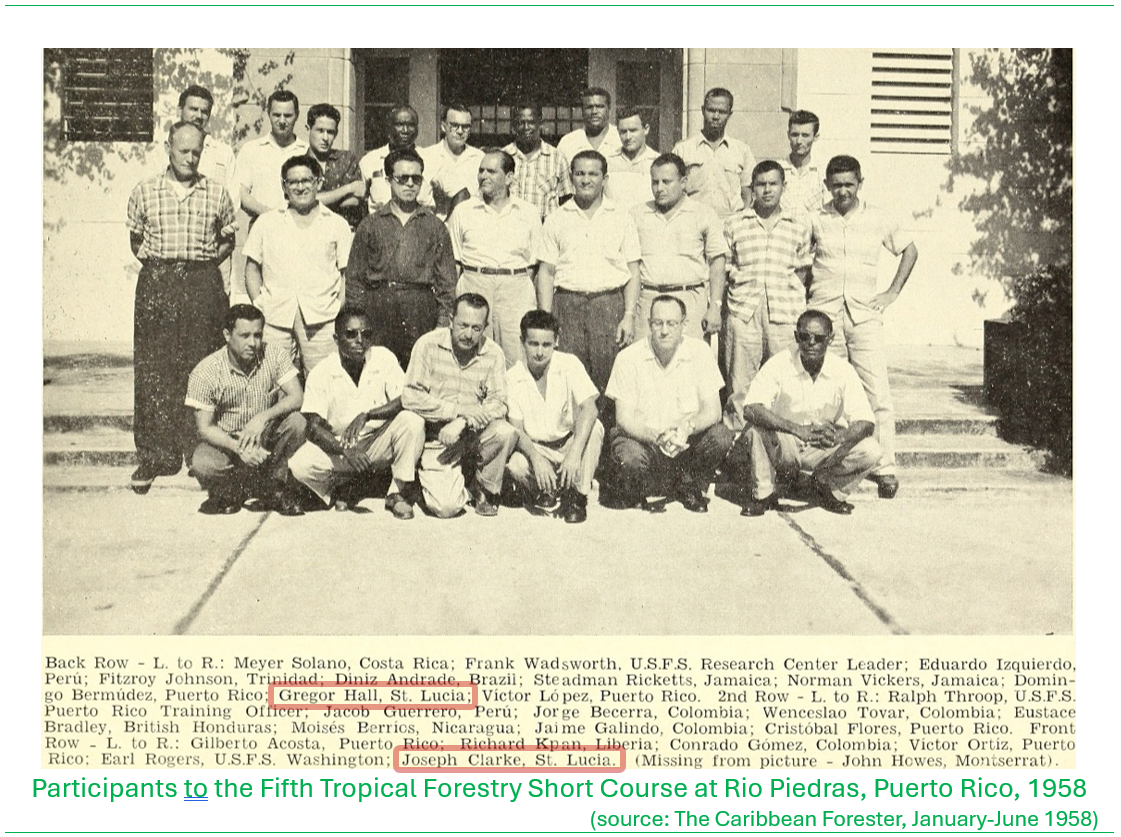
Forestry Division staff participated in training offered through the United States Forest Service’s International Institute of Tropical Forestry (IITF) located at Río Piedras, Puerto Rico. The images below show participating foresters from countries in Latin American and the Caribbean including foresters from Saint Lucia in the 1950s.
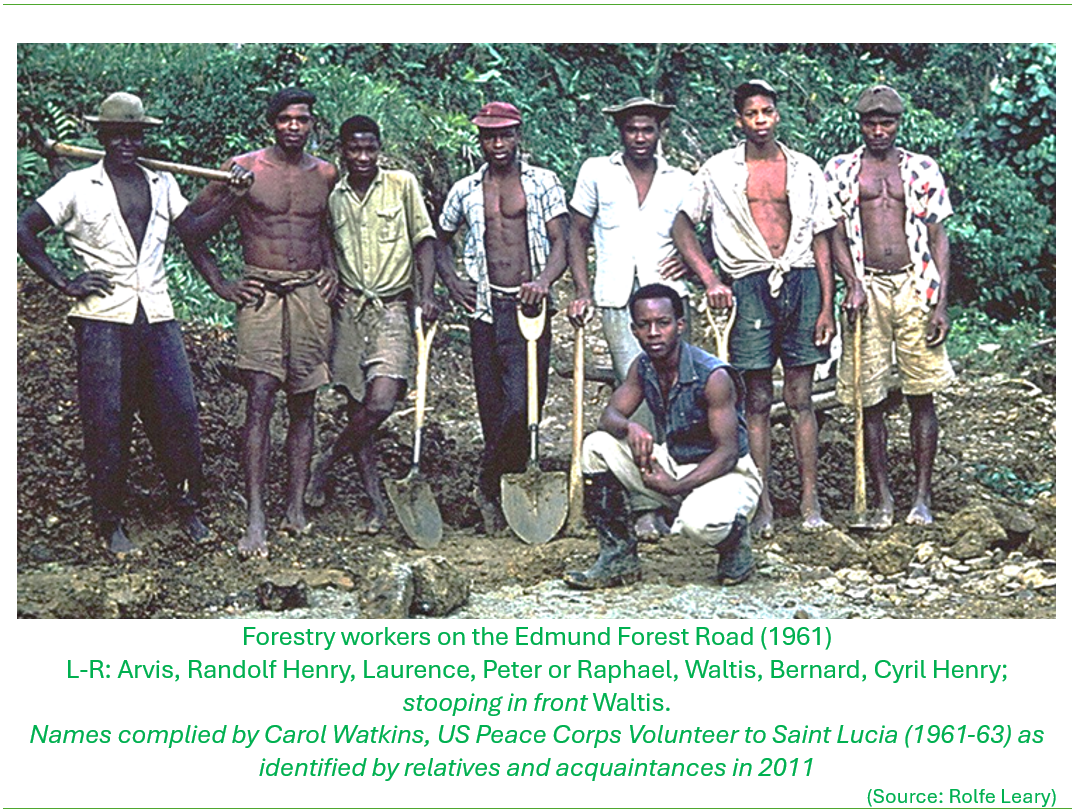
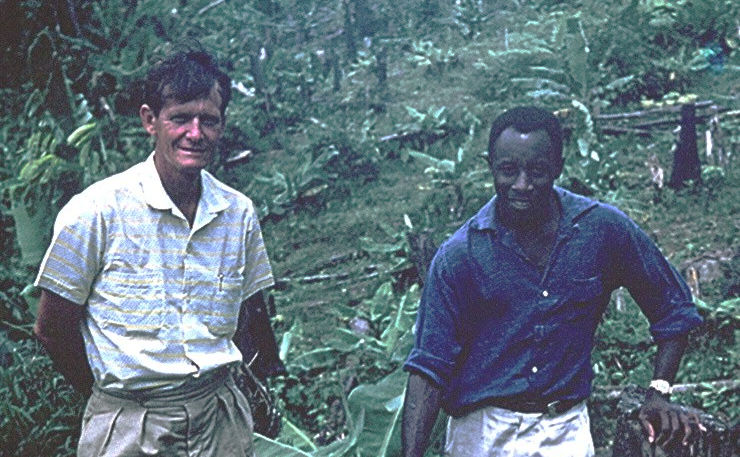
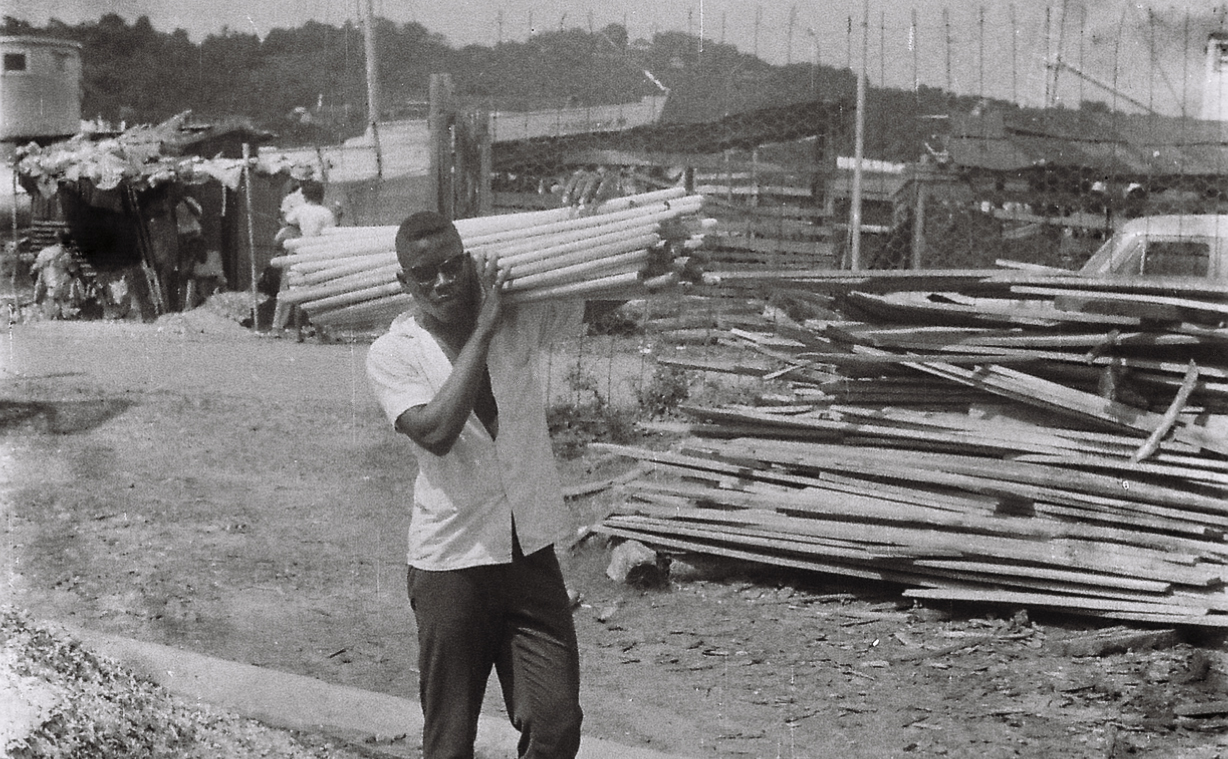
The images below were contributed by Rolfe Leary who was a United States Peace Corps volunteer to Saint Lucia in the early 1960s. He was stationed at the newly constructed forestry resthouse at Edmund Forest and provided technical advisory support on silviculture to the Forestry Division field staff.


1970s to 1990s
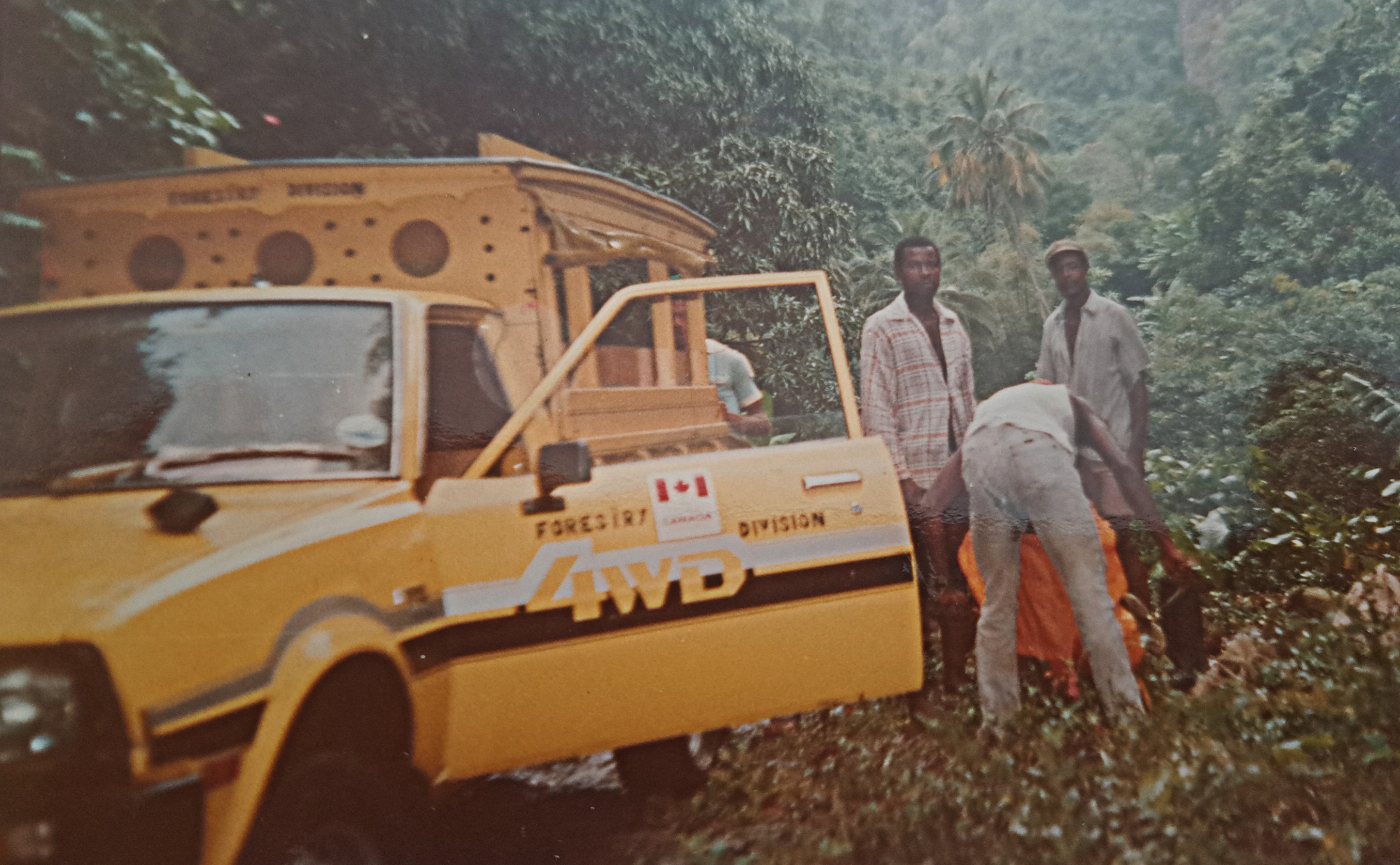
The photo collection below features the staff from the late 1970s into the mid to late 1990s. This was the era of support from the Canadian government to the Forestry Division starting from 1982 where significant investment was made in the development of technical capacity among the staff to better manage the forest resource. During those days, banana production was widespread, contributing to the rapid economic development of the country. However, the crop was cultivated well into the mountainous interior where forests were extensively cleared for cultivation including places within the forest reserves illegally by landless farmers. The damage to the forests led to massive degradation, soil loss and habitat destruction with stepped-up efforts to curb illegal squatting in the forest. This era also saw commencement the high-profile St. Lucia Parrot conservation programme. As a result of habitat loss and hunting the parrot population had dropped to just over an estimated 100 or so birds by the late 1970s. Several overseas-based conservation organizations worked closely with the Division to conserve the parrot, while other programmes were launched on conservation of other endangered wildlife, following the parrot conservation programme. This period also saw the development of forest-based eco-tourism, among the first examples in the Eastern Caribbean. By the mid-1990s the Forestry Division was upgraded to a Department within the Ministry of Agriculture..
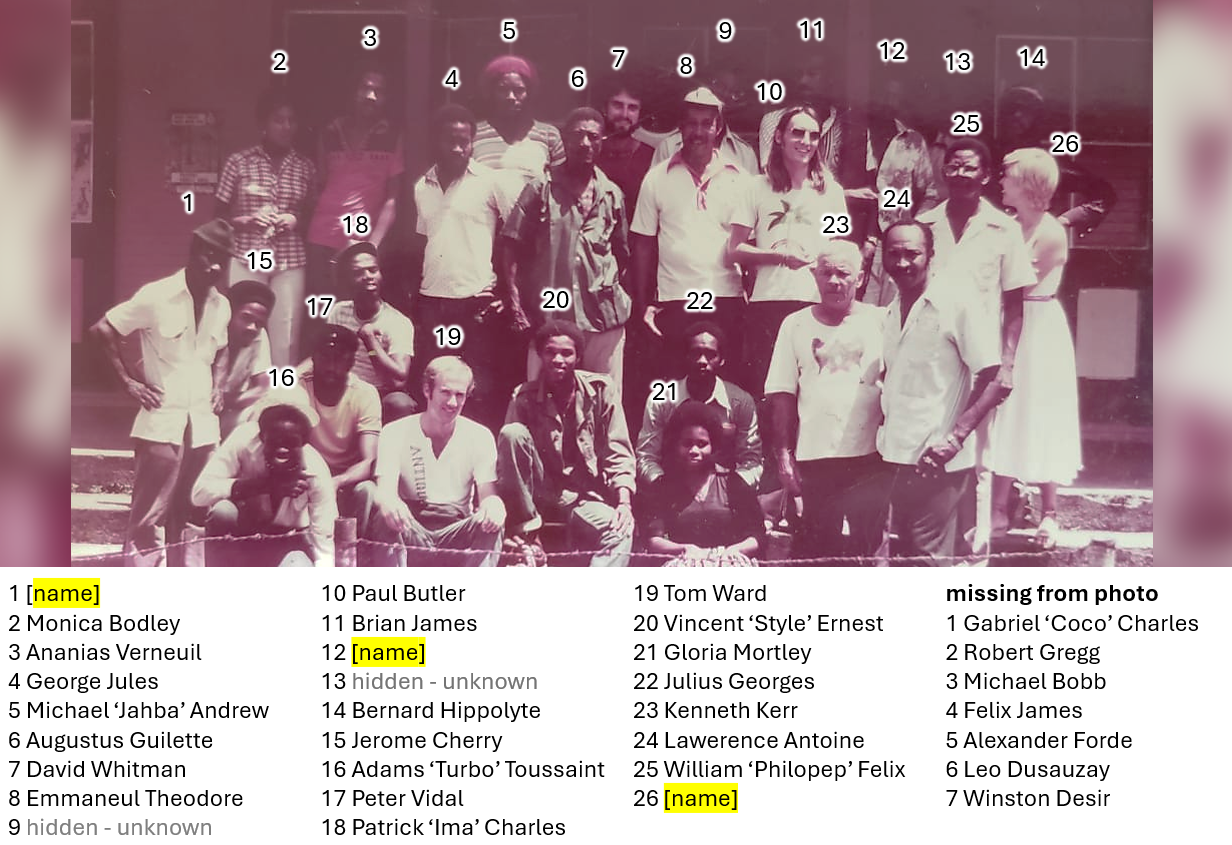
Staff at the Forestry Division headquarters in George V Park, Castries in 1981 (photo source: Forestry Dept.)


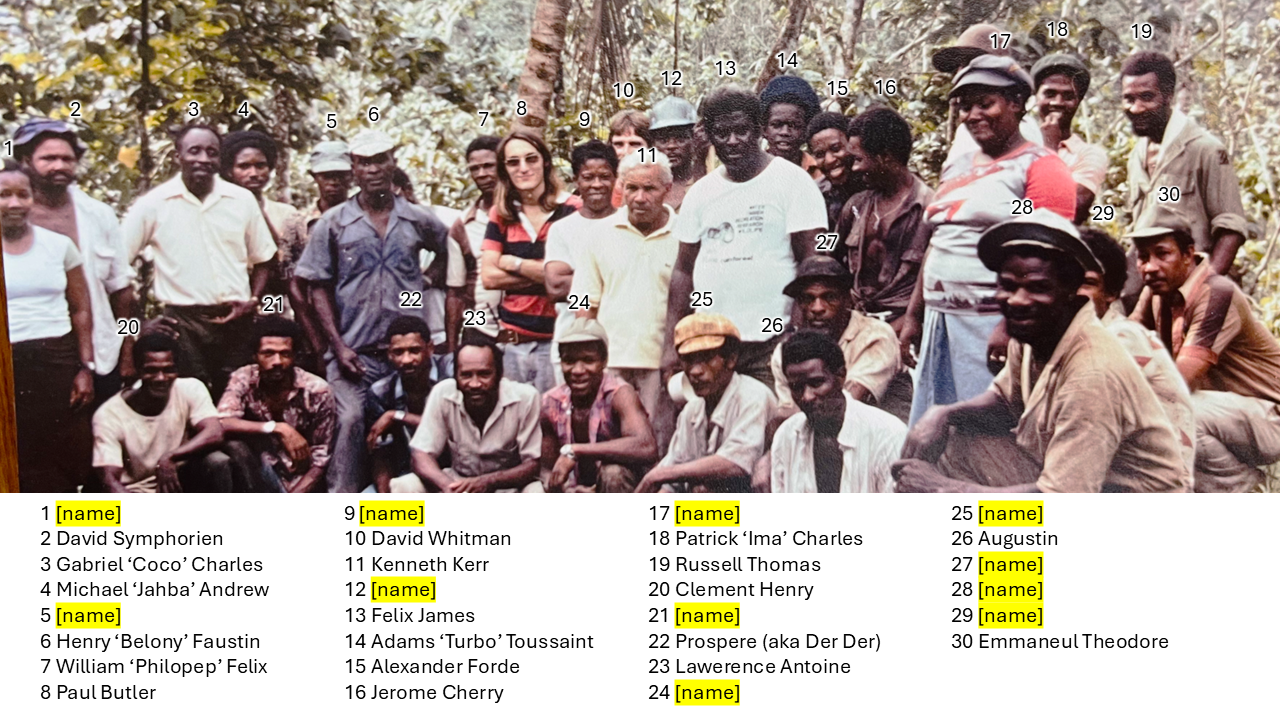
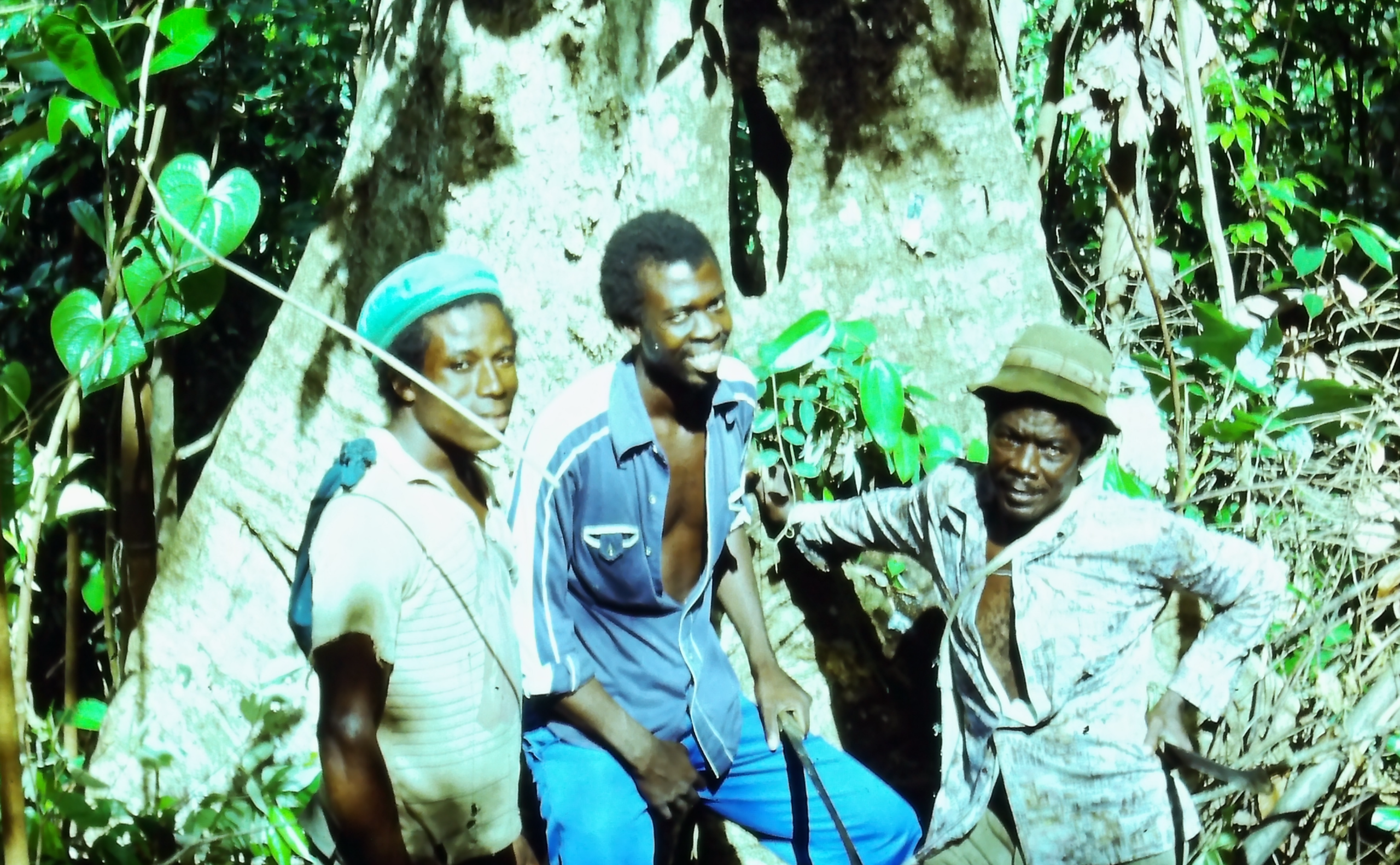
Staff field trip 1981 (source: D. Whitman)

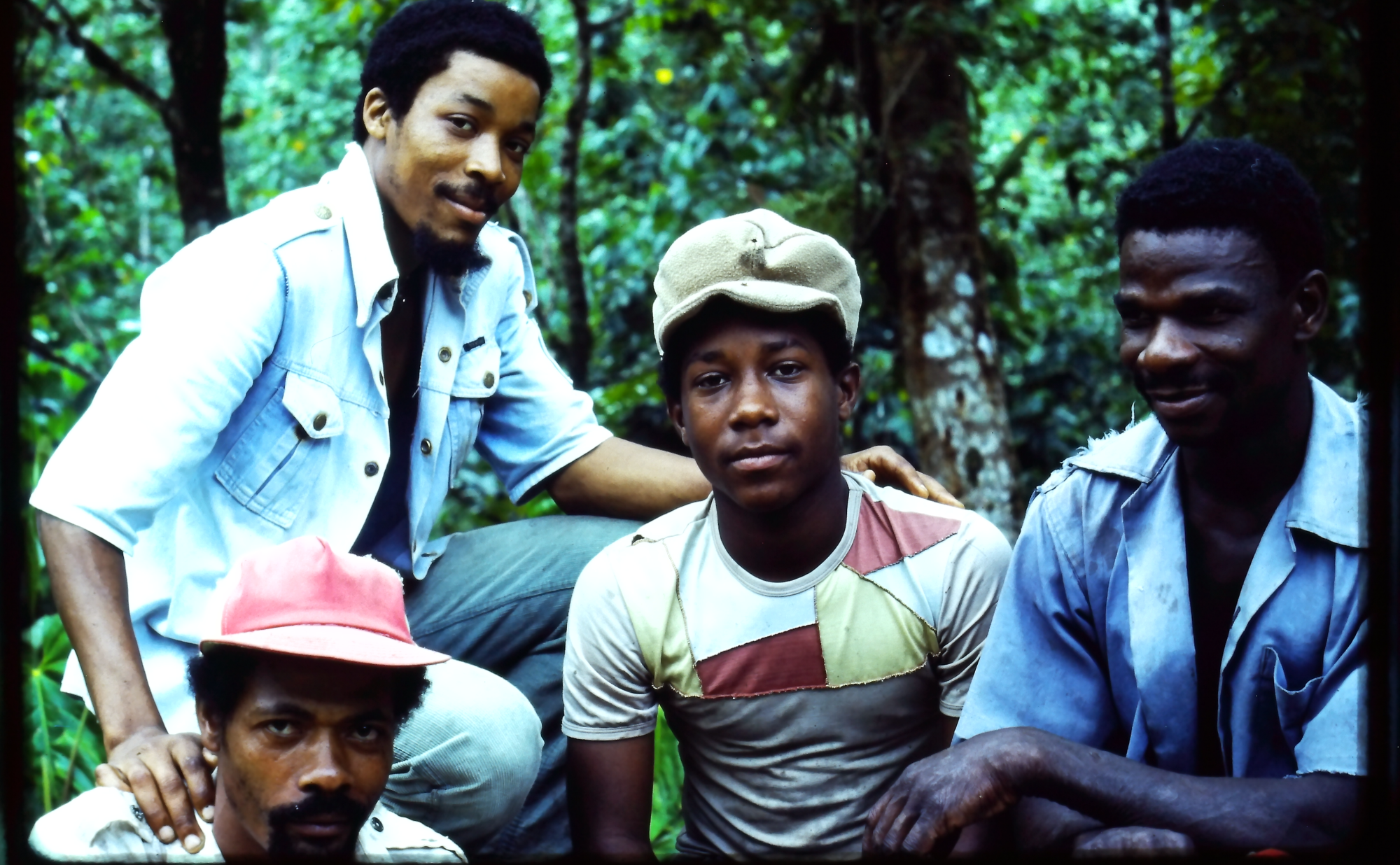
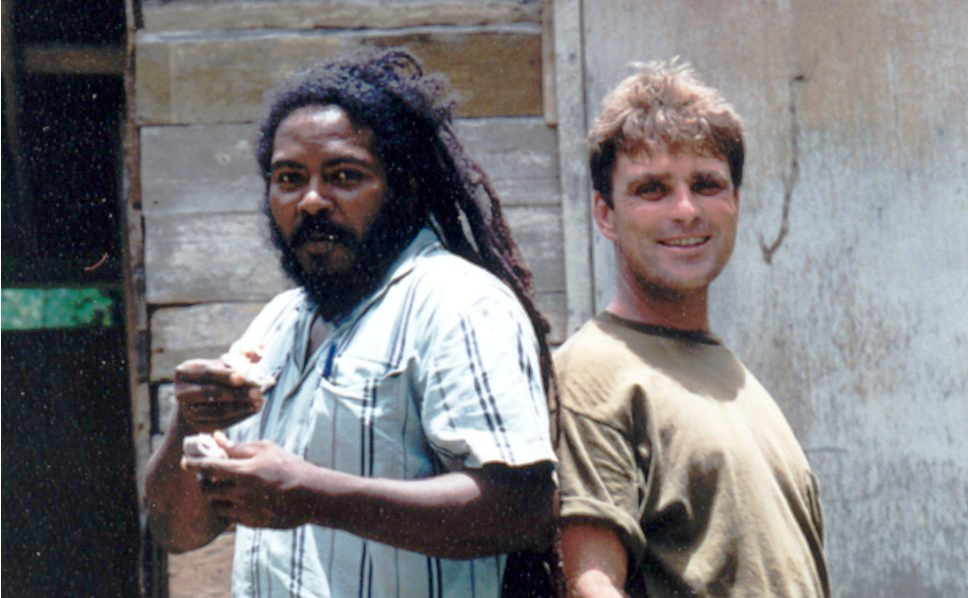
Peace Corps volunteer, wildlife researcher with Forestry Division staff at Quilesse, 1982 (source: P. Butler)
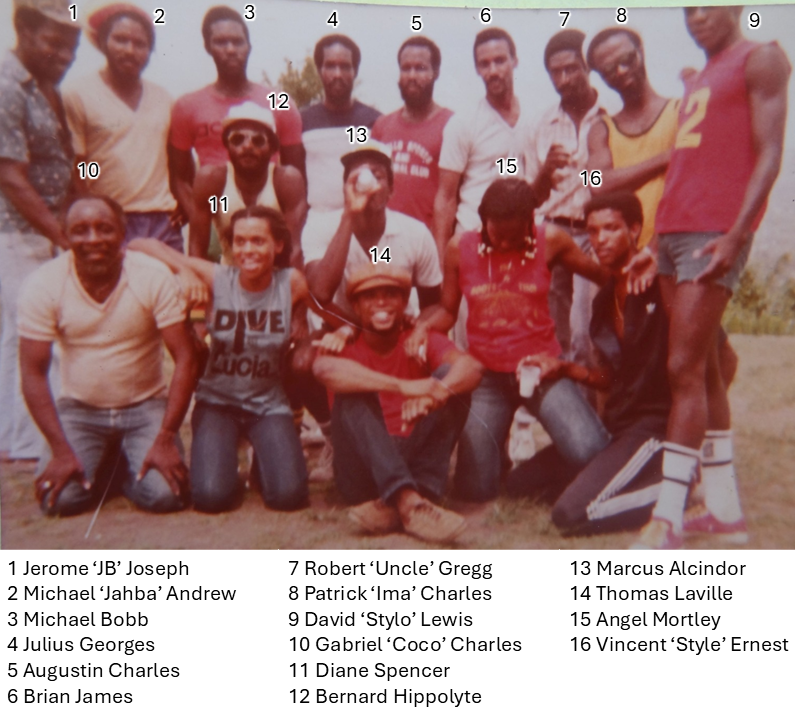
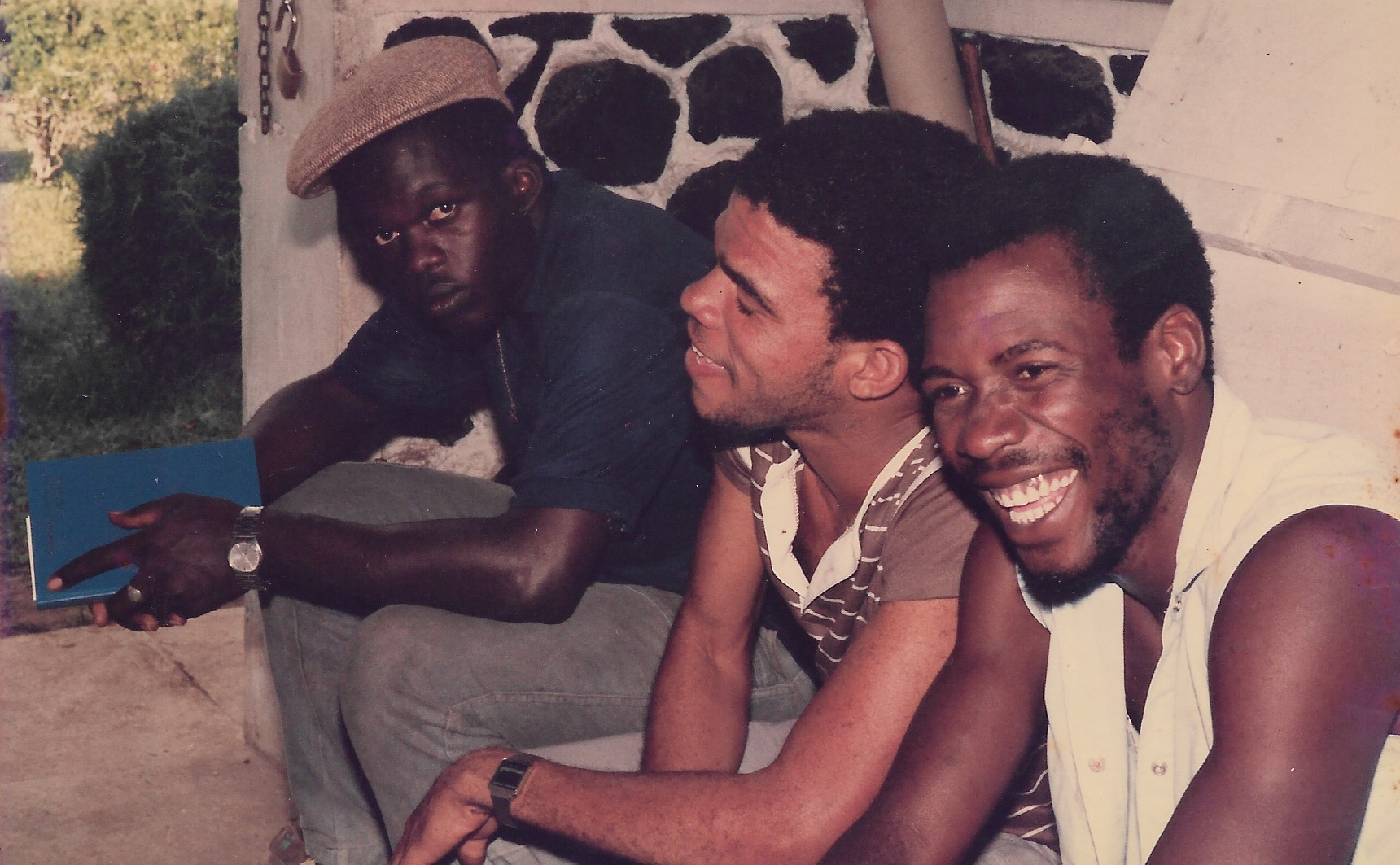
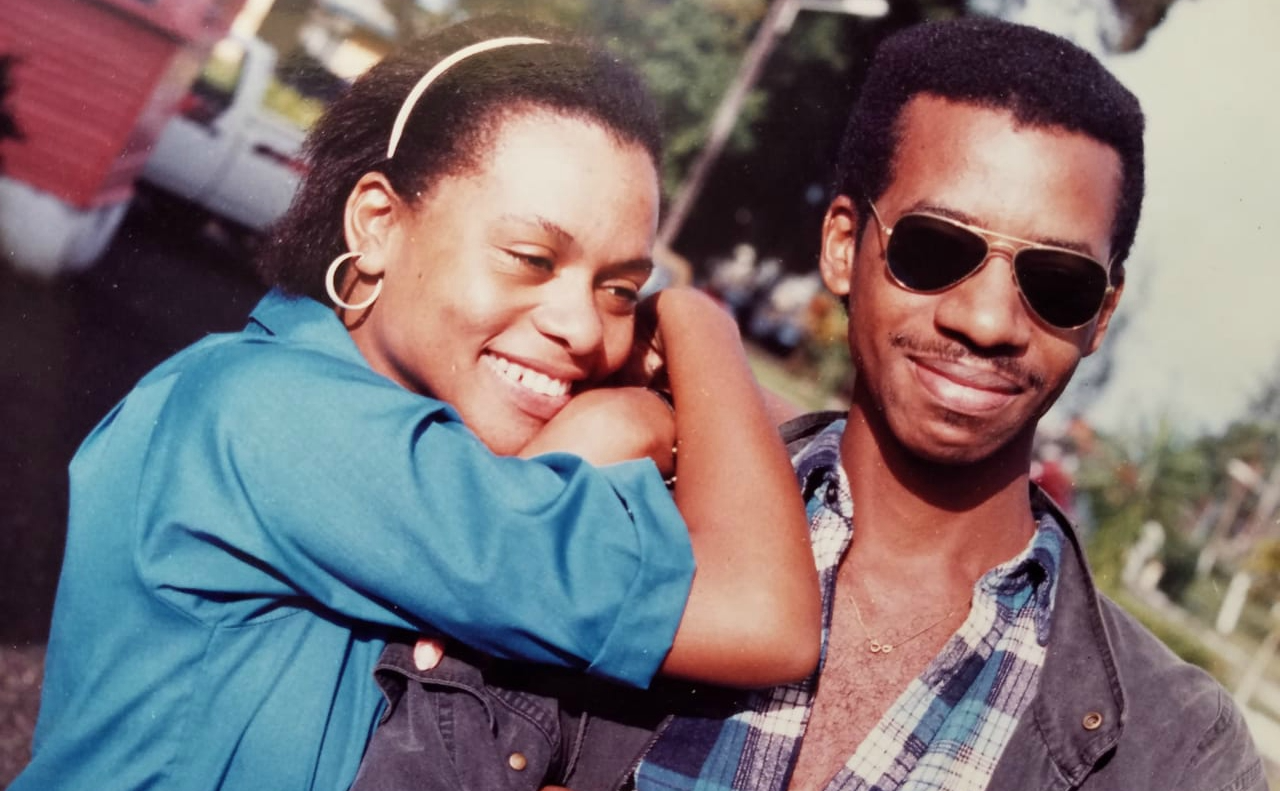
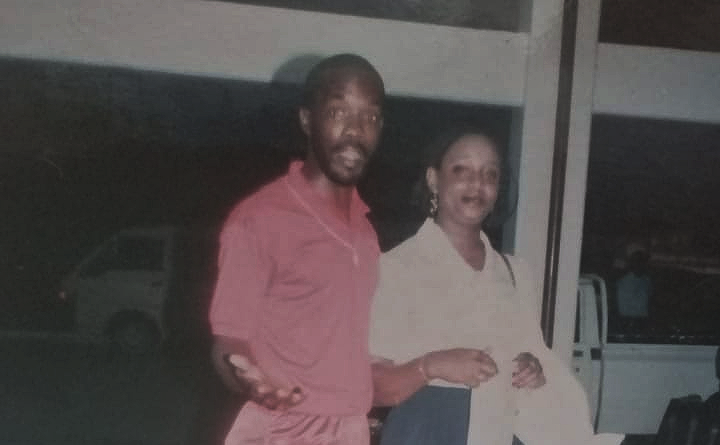
Forestry Division staff at social outing, mid-1980s (source: Forestry Dept.)
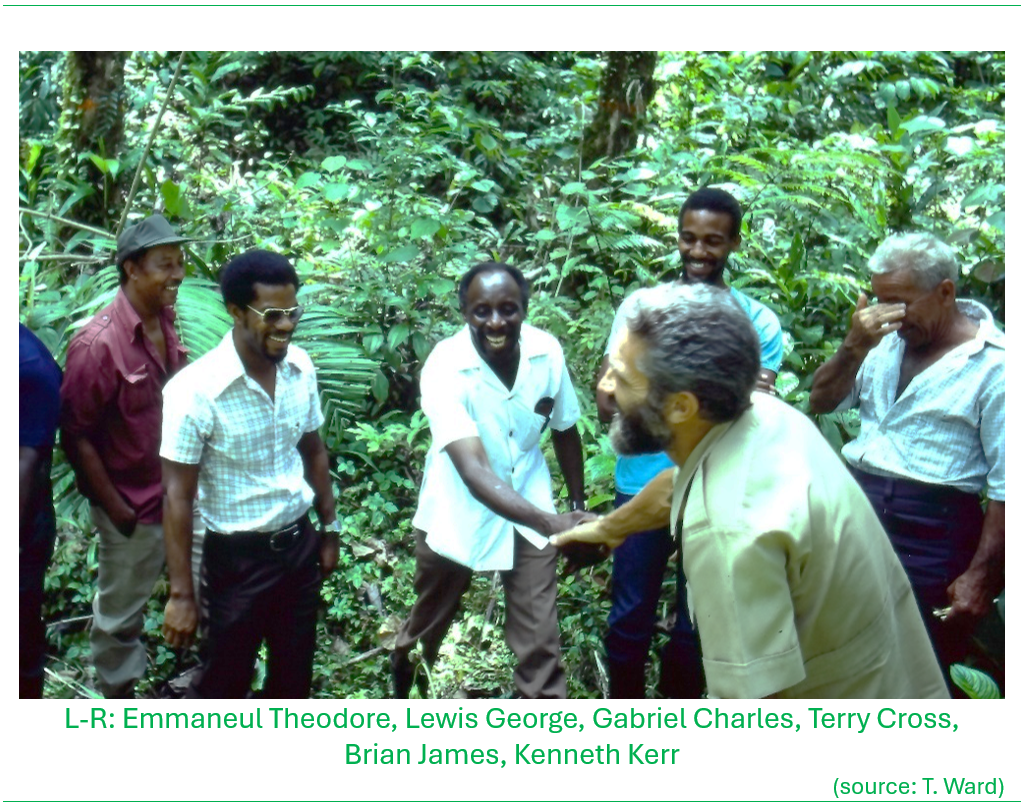


Departmental meeting with Canadian forestry project management team members, early 1980s (source: Forestry Dept.)
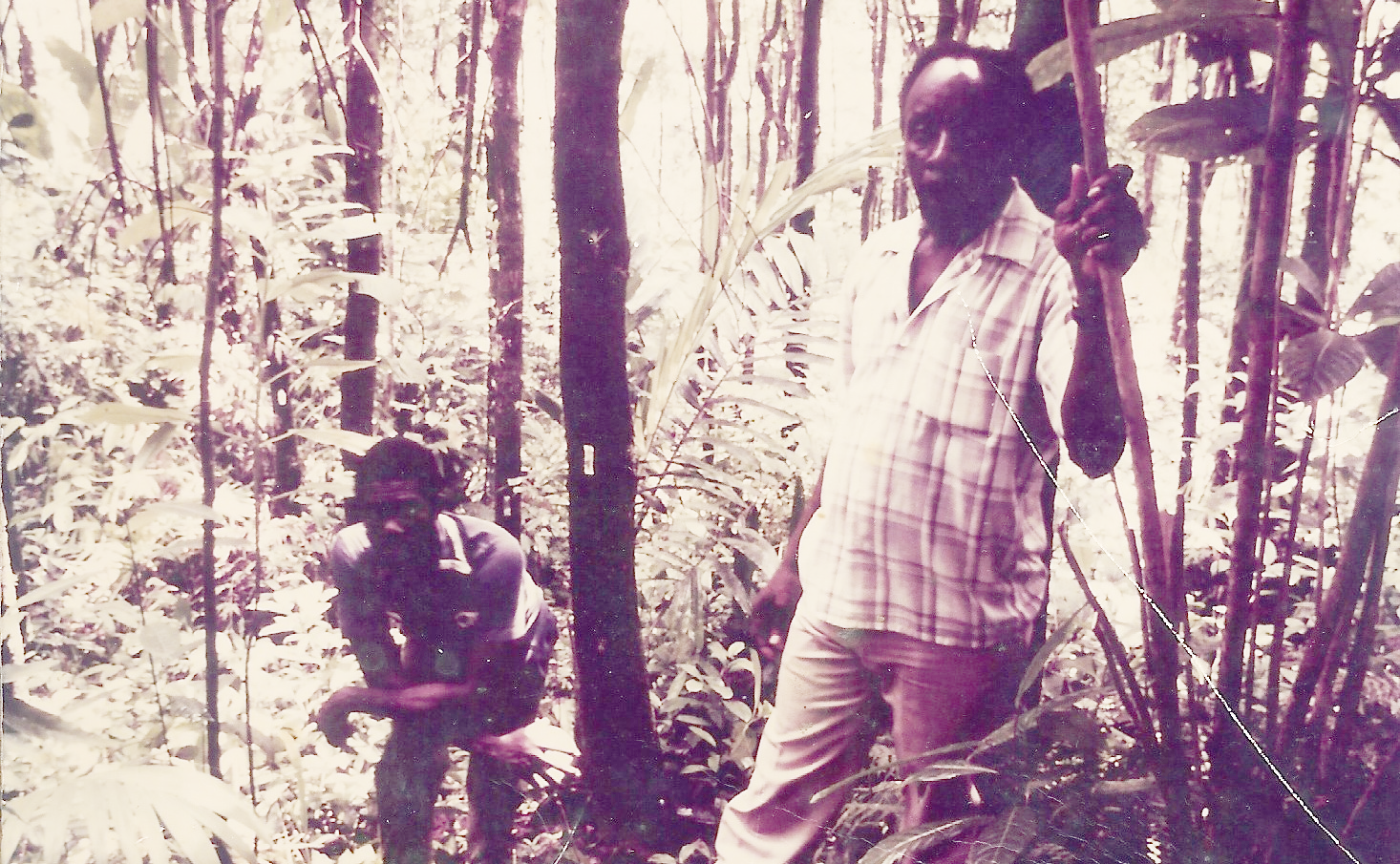


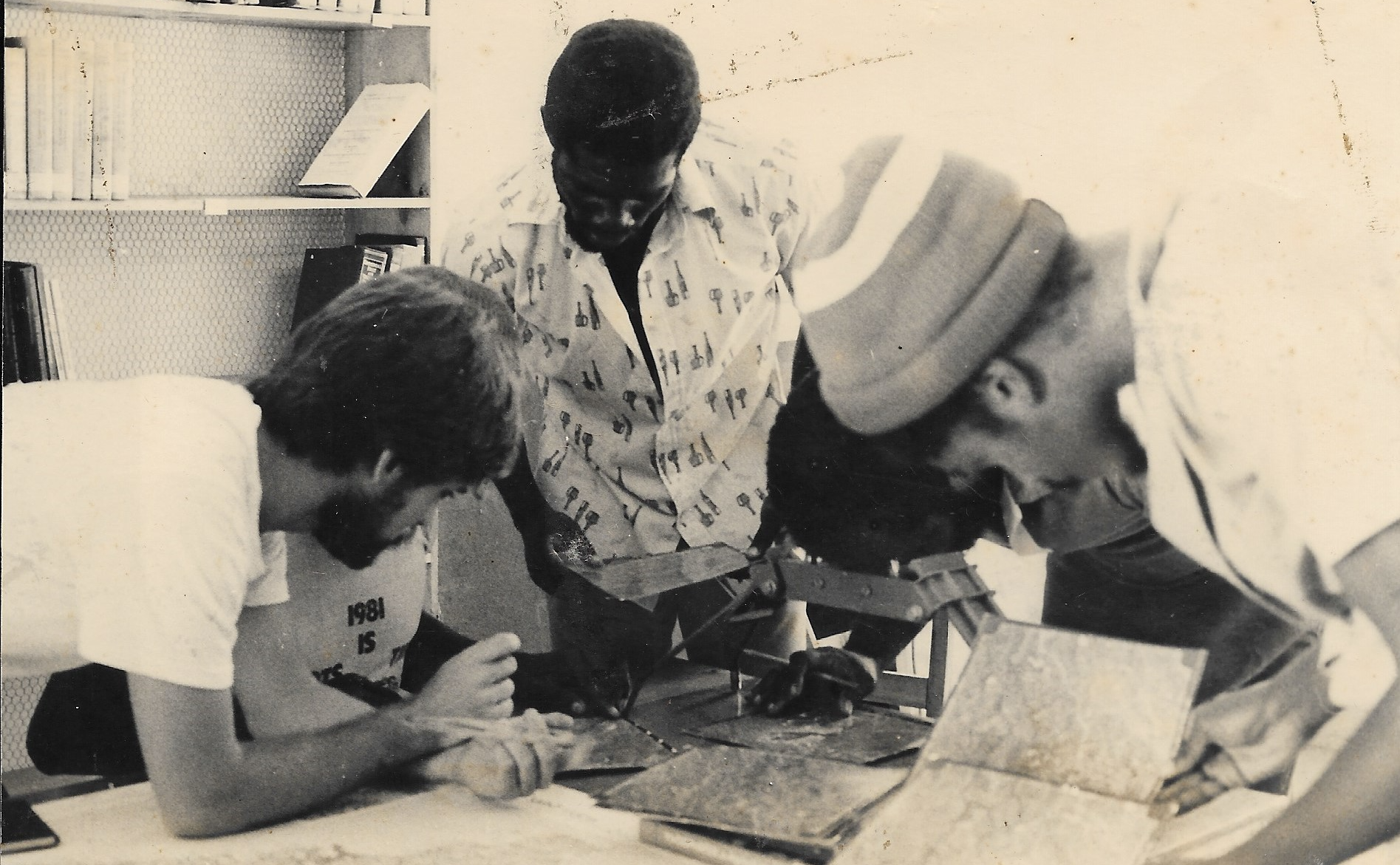
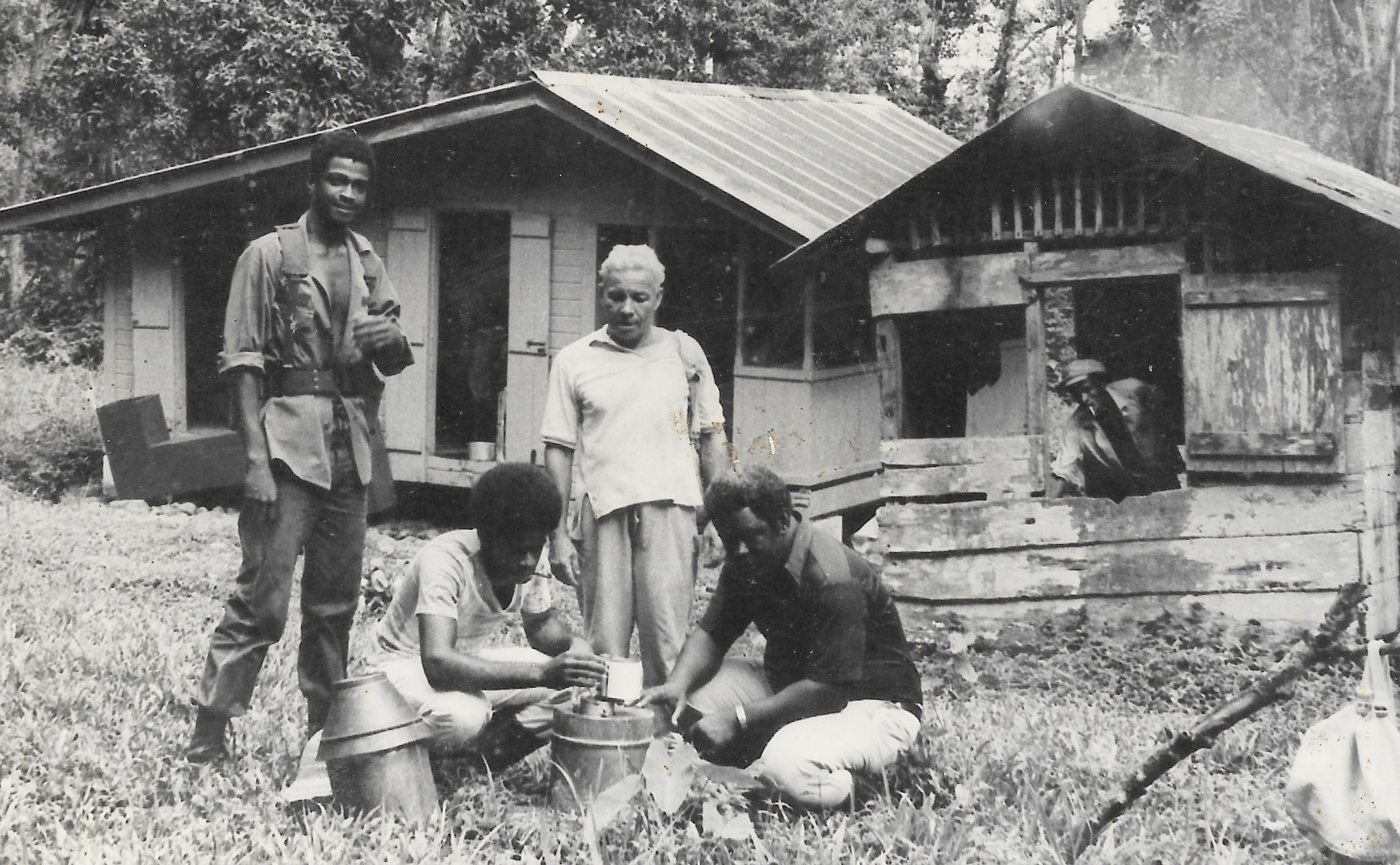




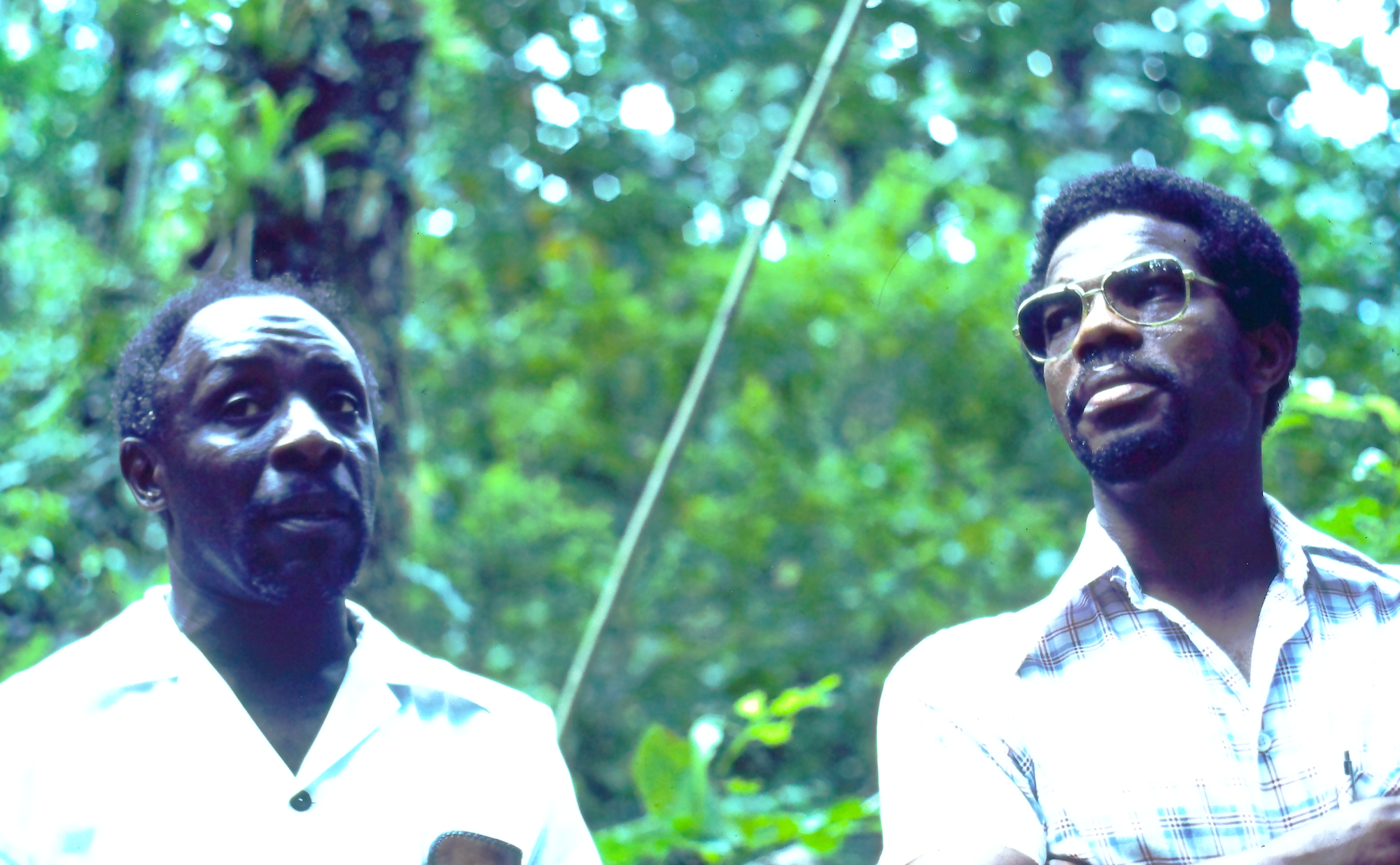
The photos below of the staff were taken at the headquarters of the then Forestry Division that was located in the King George V Park in Castries. The building was originally the Curator’s Office for the Botanical Gardens that was established by the Colonial Government in the late 1800s.
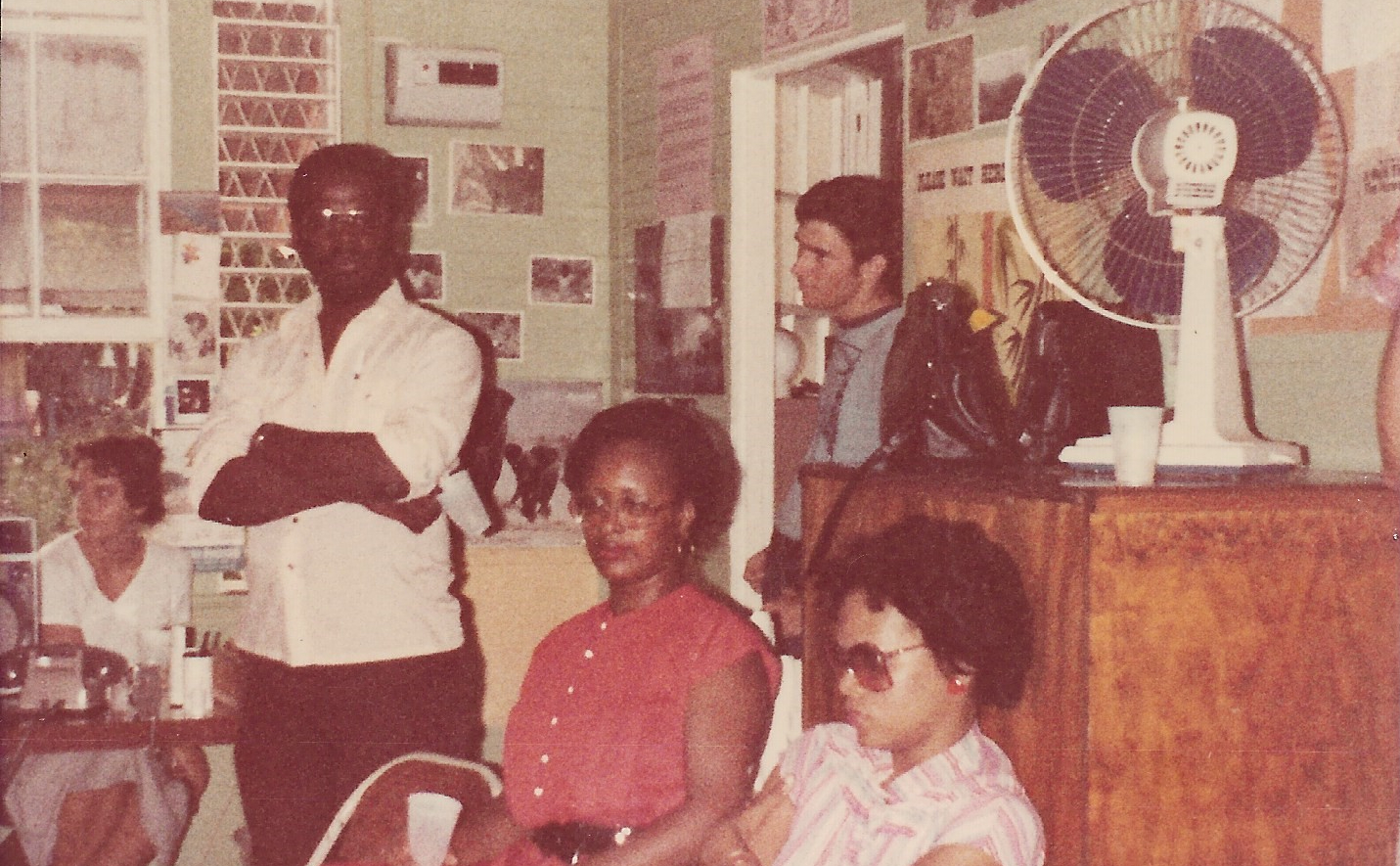


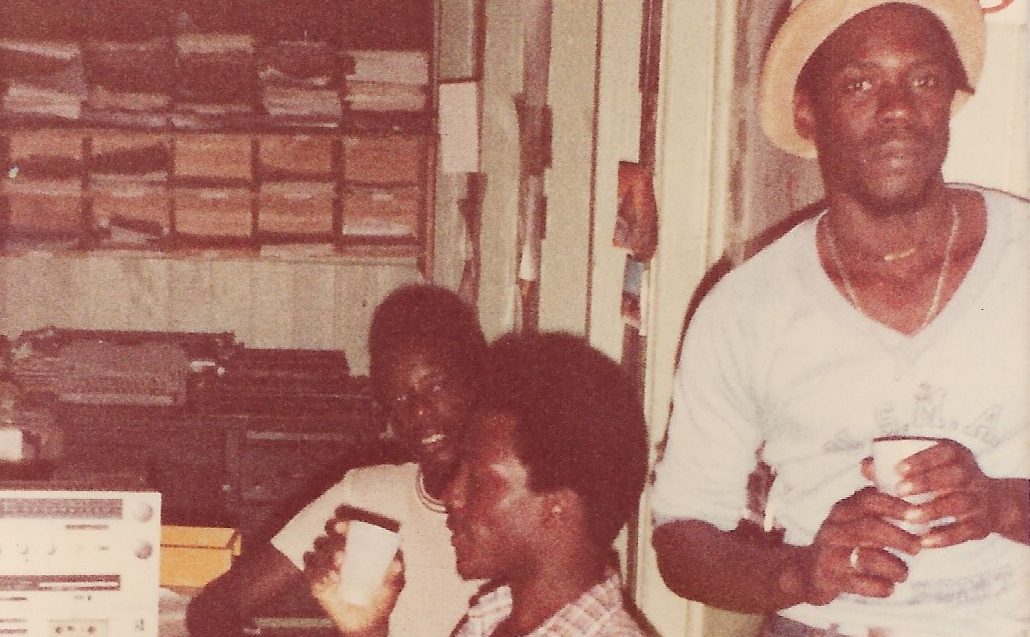
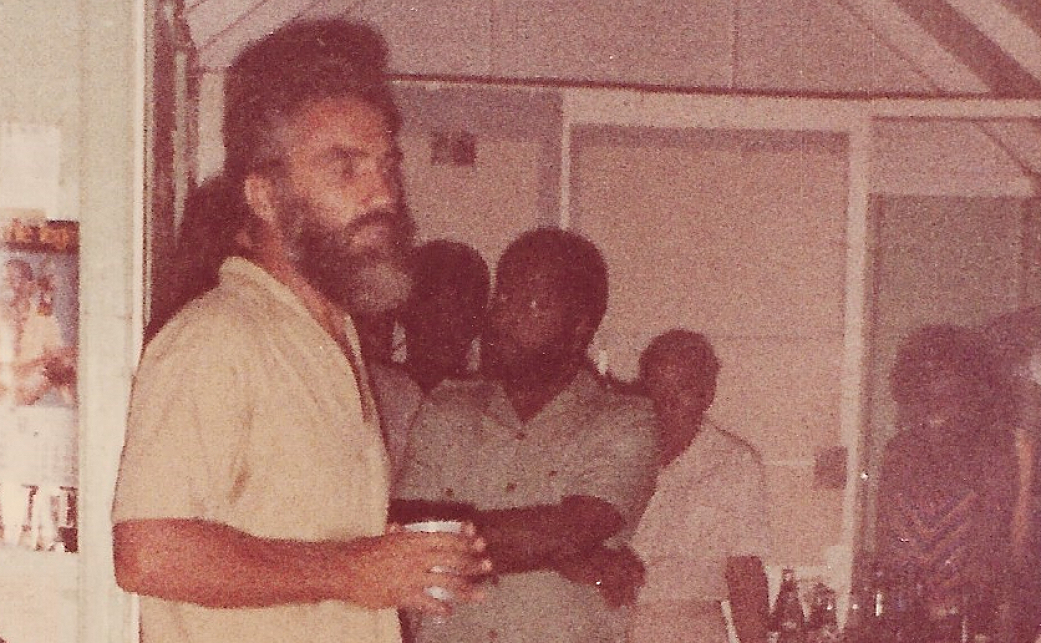
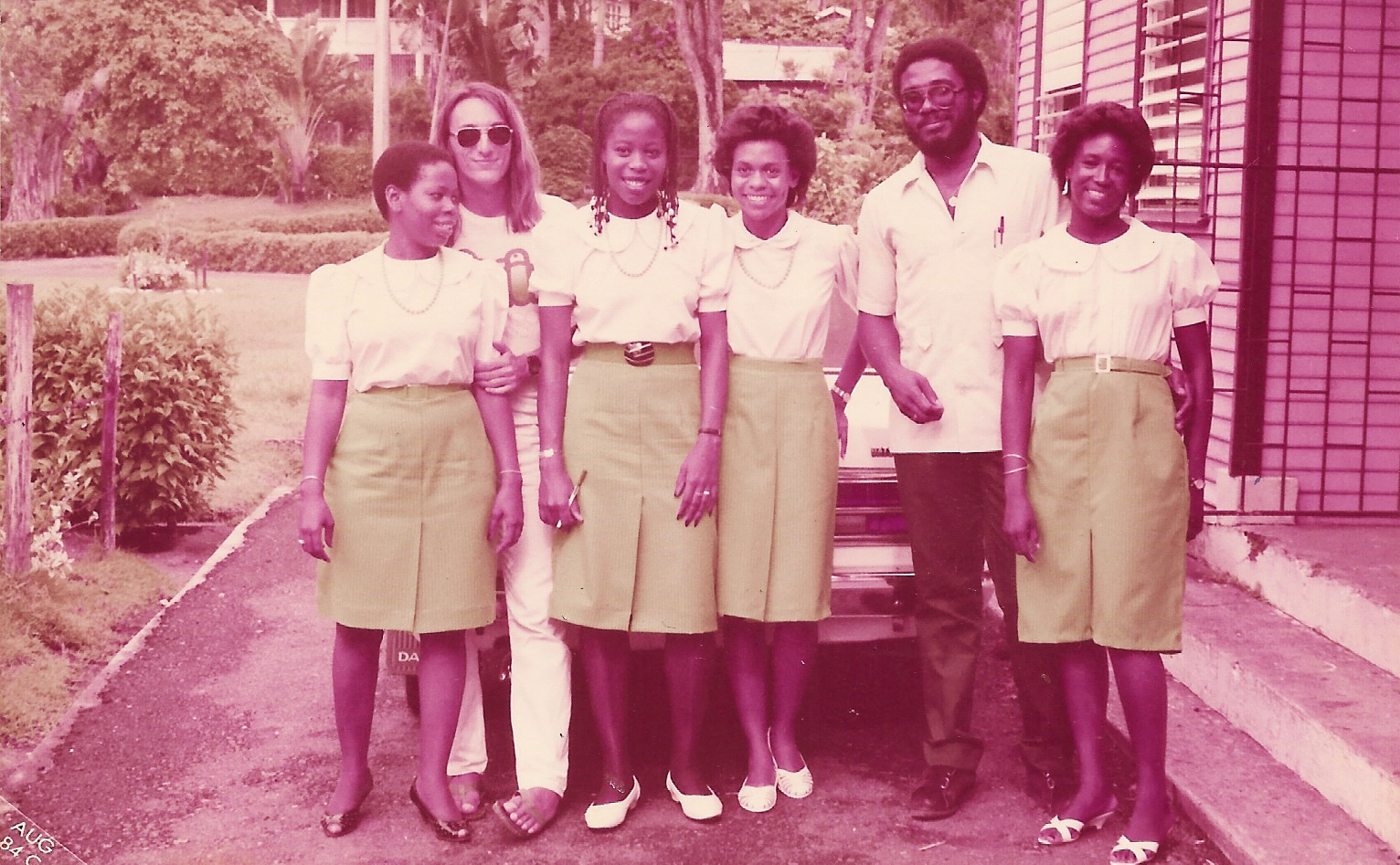
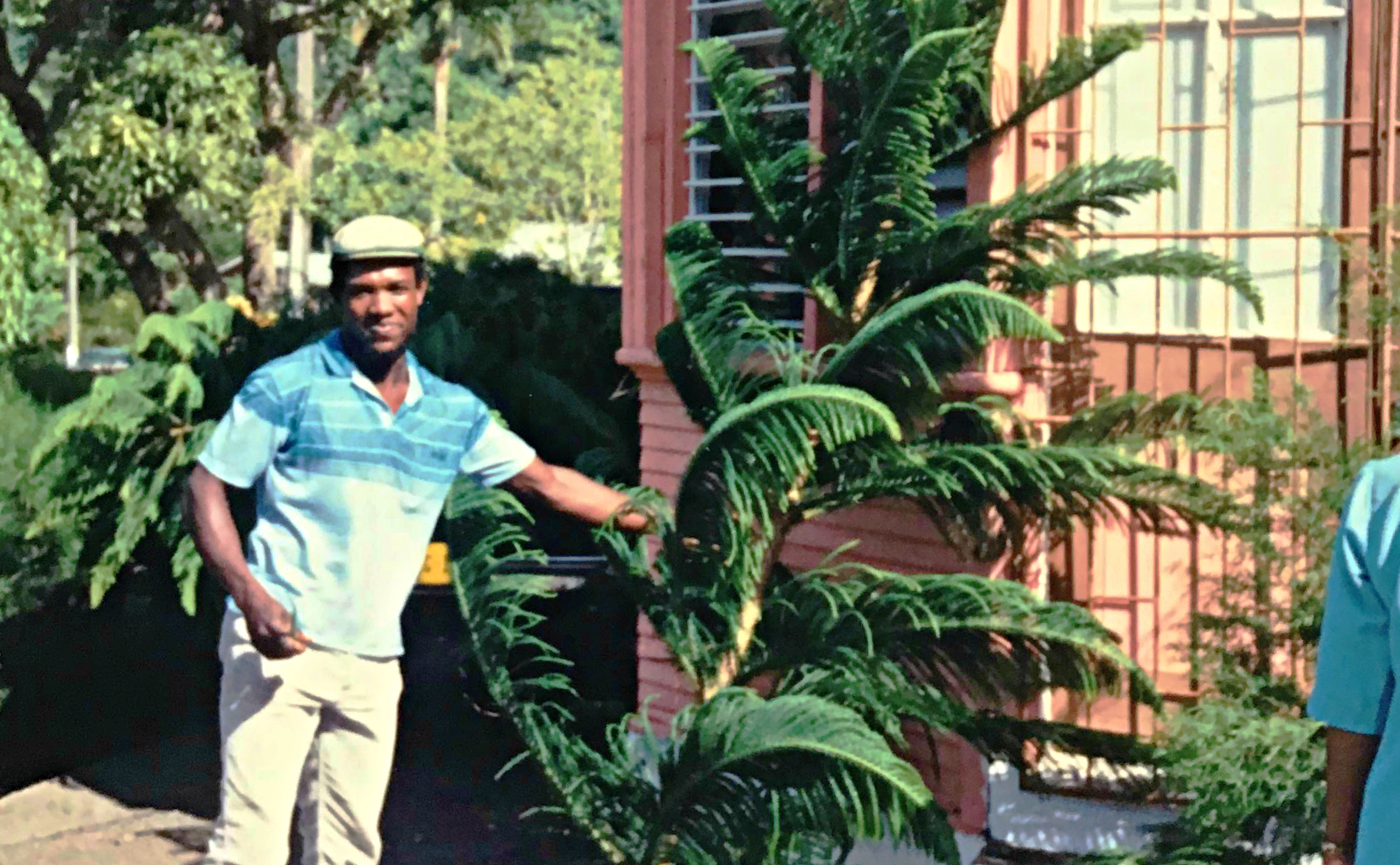
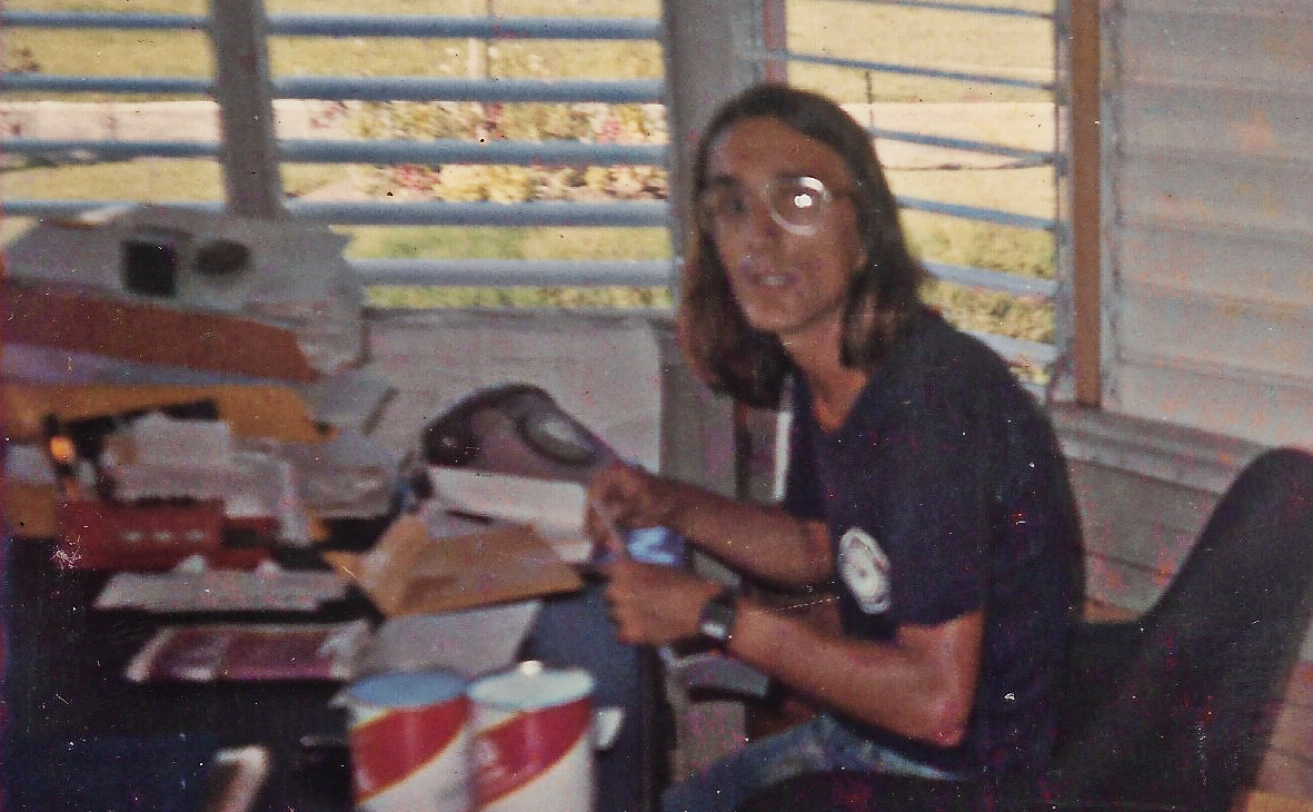
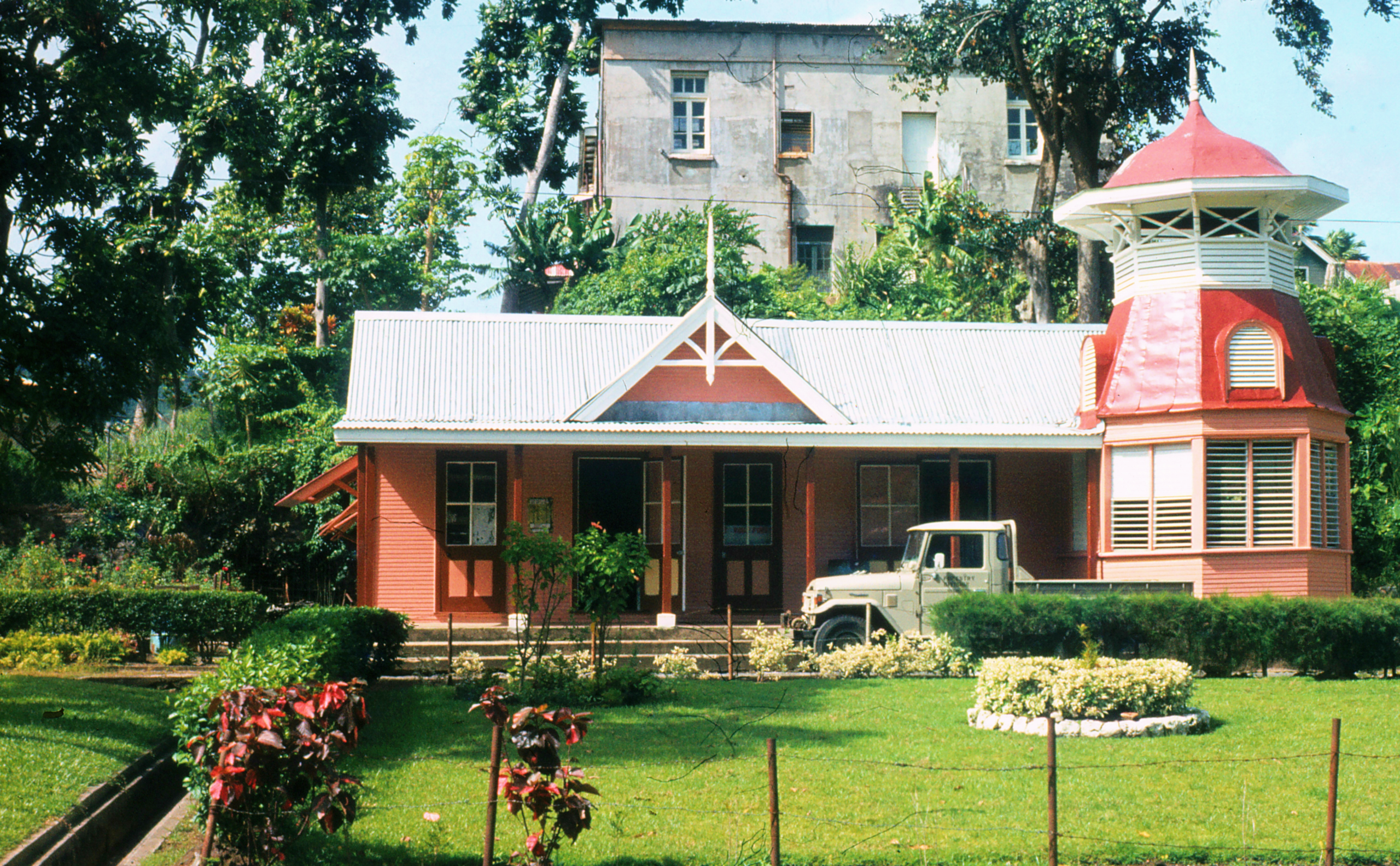
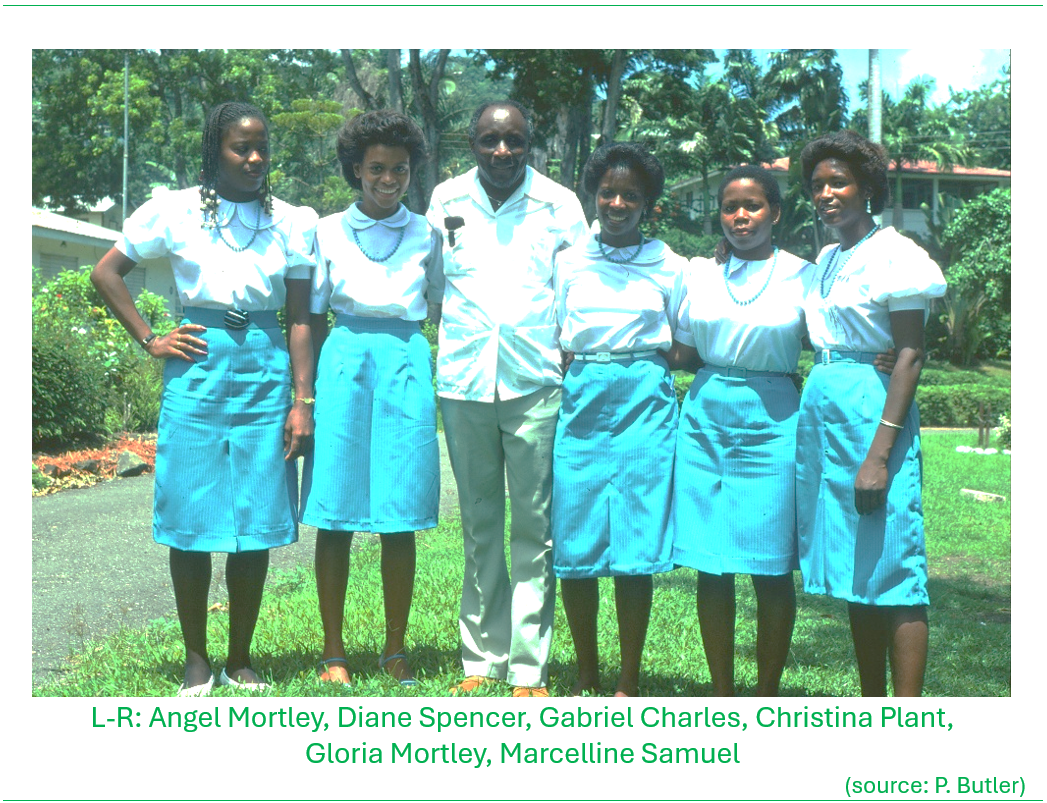
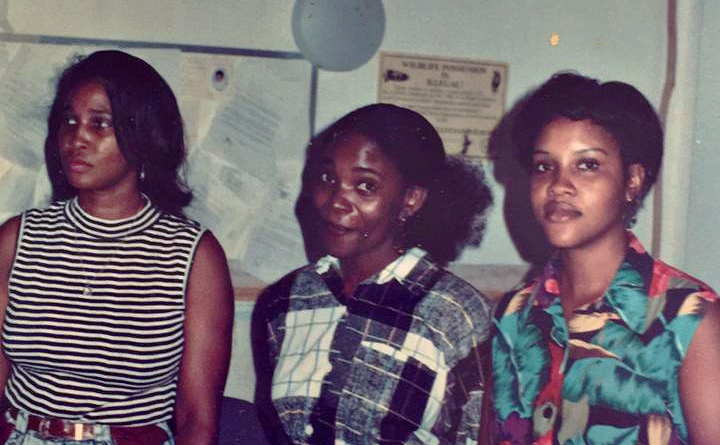
Forestry Division office staff, mid-1980s
To support forestry management operations, a plant nursery was established by William G. Lang, the Forestry Supervisor, within the agricultural estate of the Ministry of Agriculture at Union. A small zoo was also installed adjacent to the forest nursery to house a small collection of native wildlife. The photo below is of the staff of the Union forest nursery that at the time was managed by Monica Bodley. George ‘Zoo’ Antoine was the zookeeper.
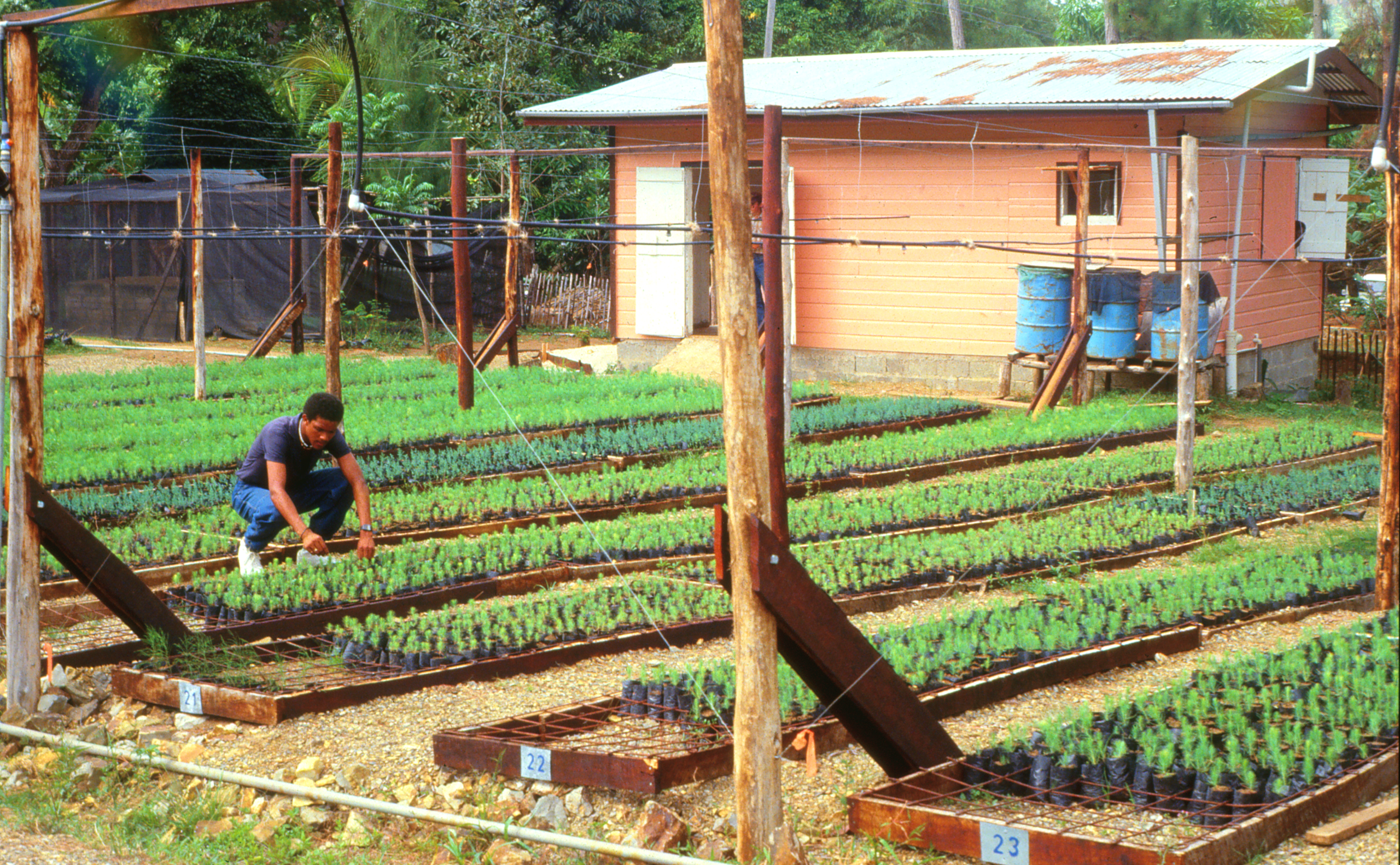
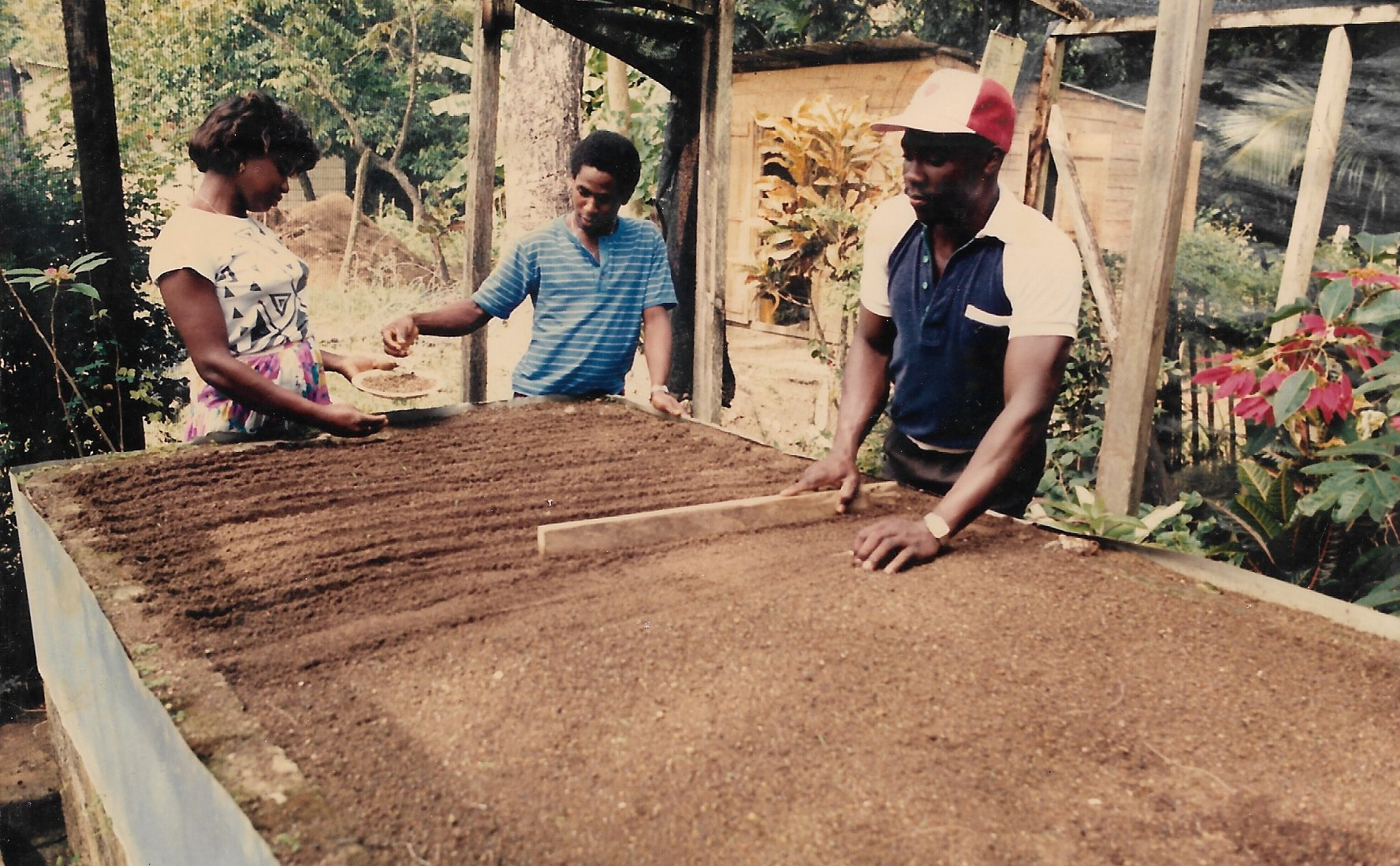
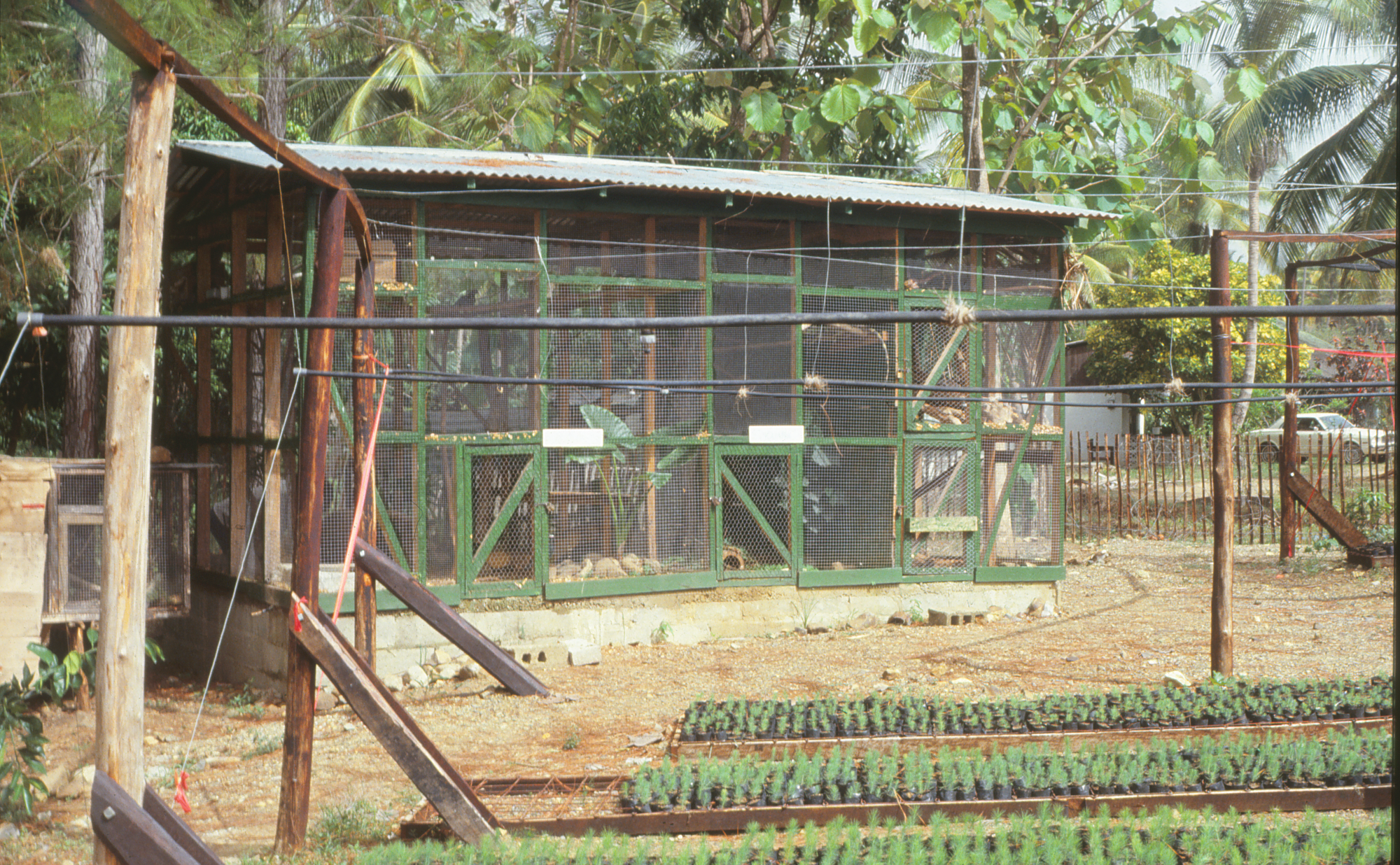
Union forest nursery (hardening area and propagation bin) and Union Mini-Zoo wildlife enclosures
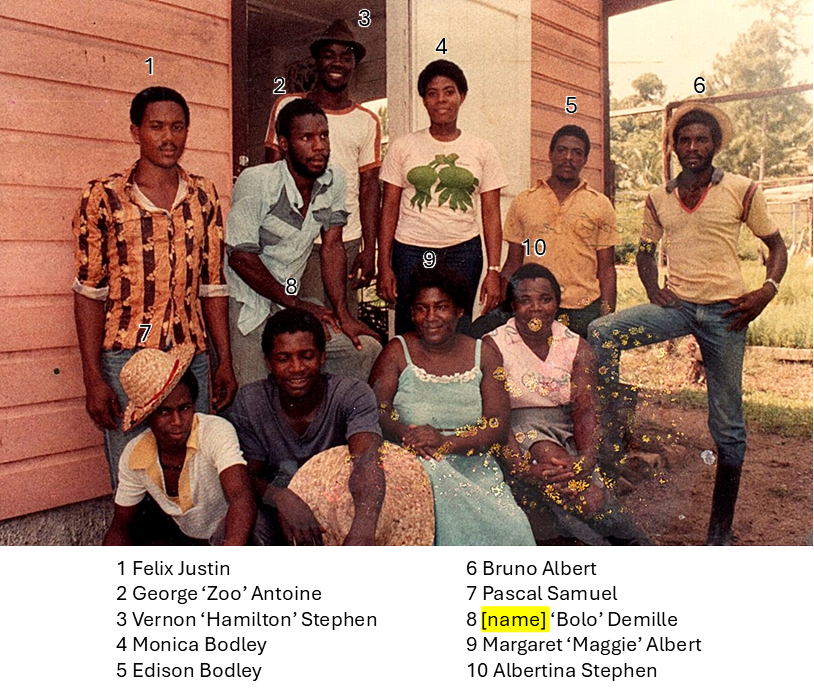
Workers at the Union Forestry Nursery and zoo
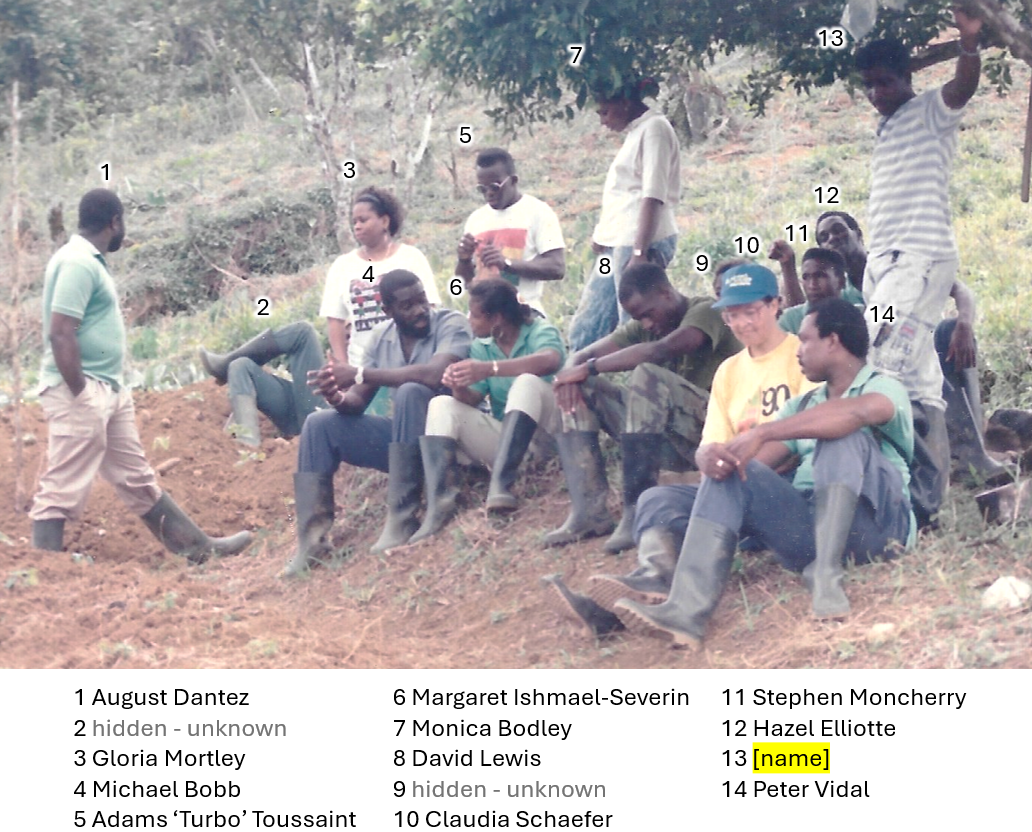
Staff field trip with Canadian silvicultural expert, late 1980s
The photo gallery are of the staff from the late-1980s through to the mid-1990s.
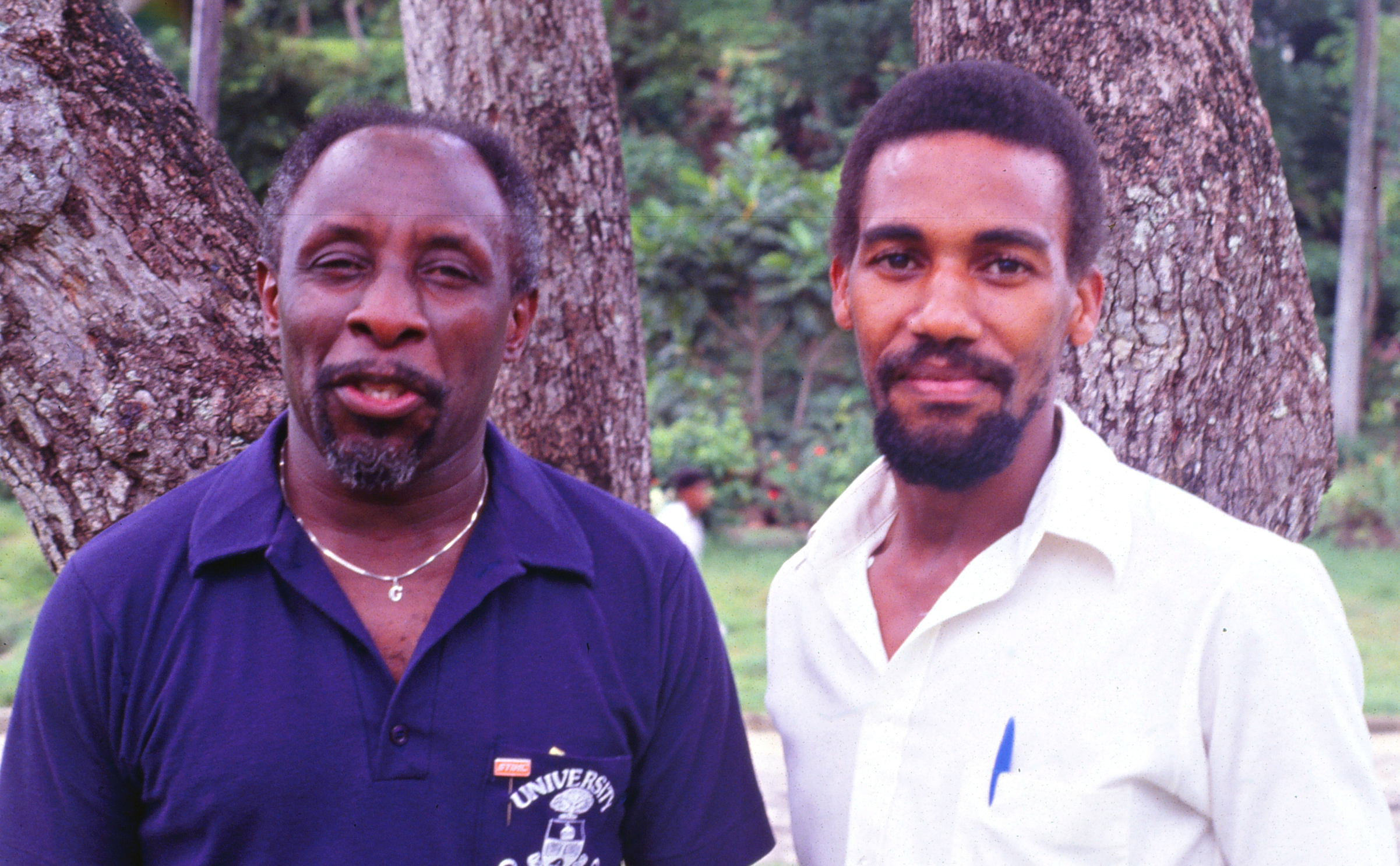
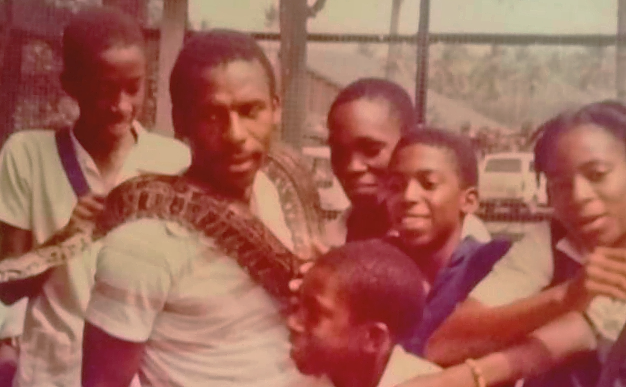





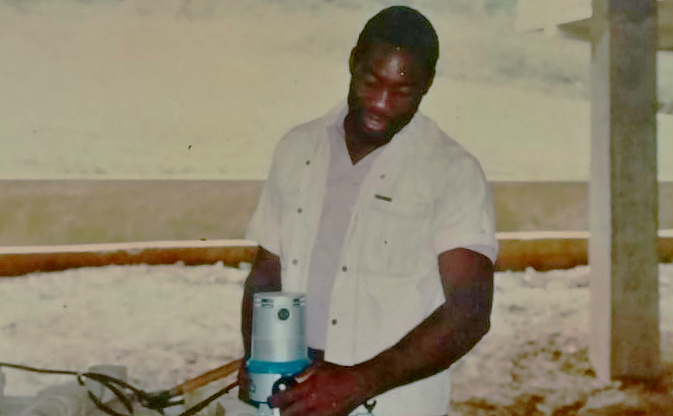
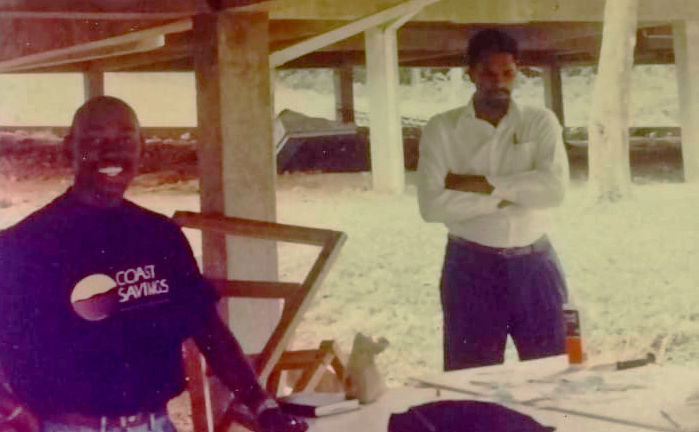
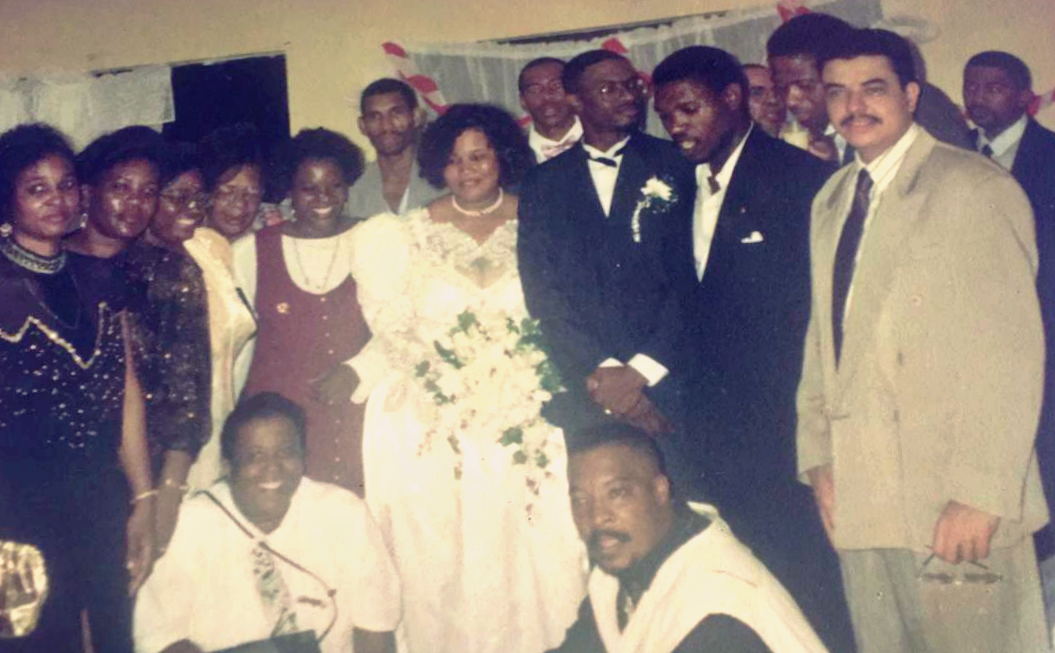
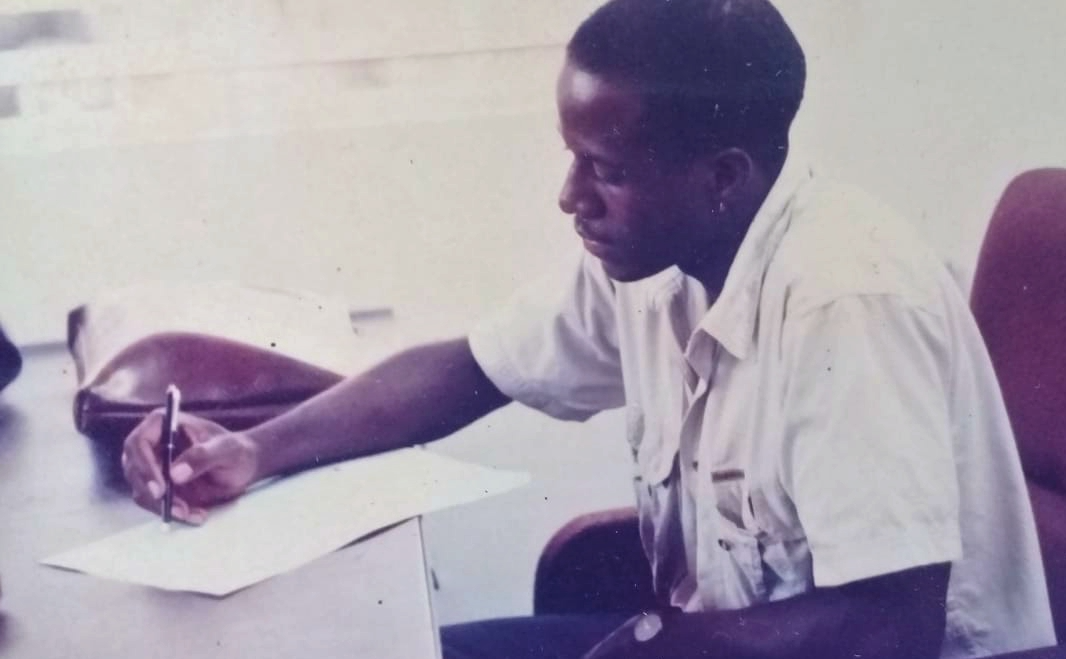


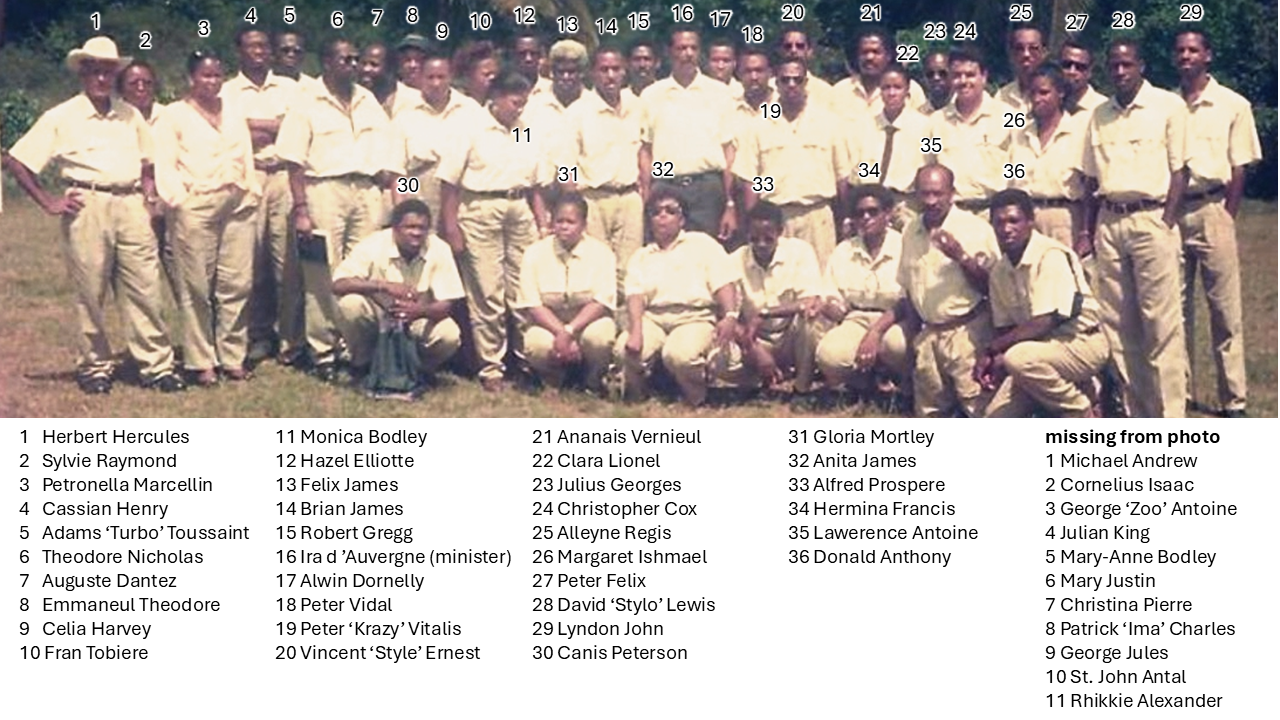
Forestry and Lands Department at a ministry-wide rereat at Desruisseaux in 1994. The minister of agriculture at the time Ira d’Auvergne is in the centre (#16). Brian James was the Chief Forestry Officer (#14) (source: Forestry Dept.)
2000s to present
This era xxxx [narrative to be inserted]

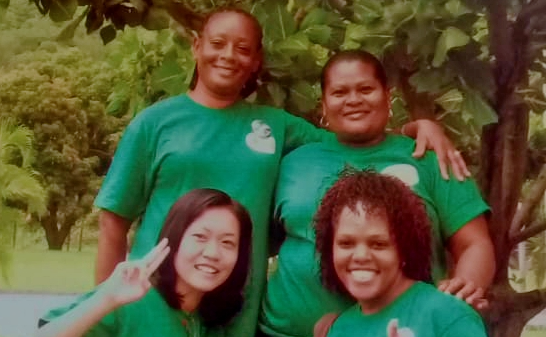


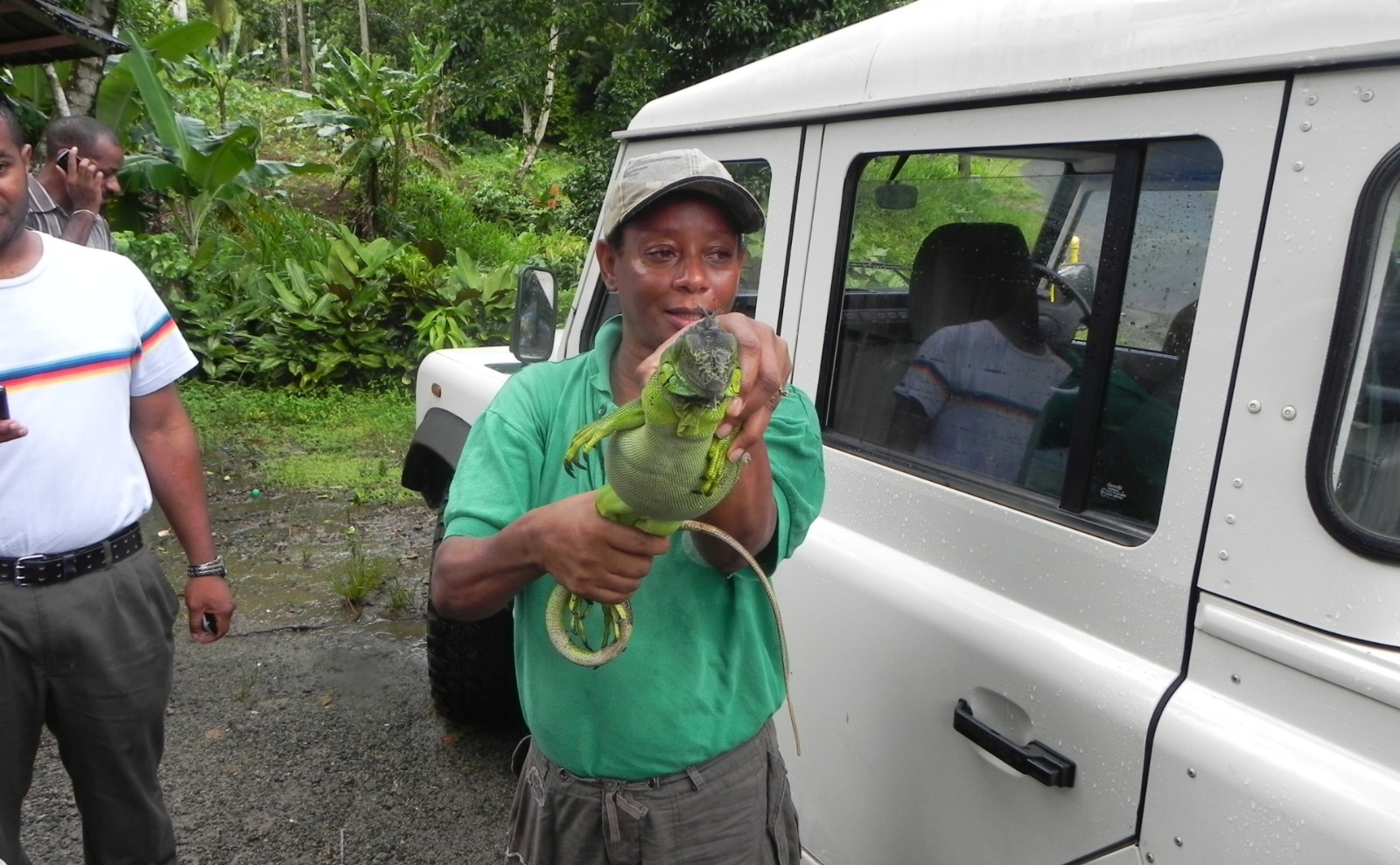
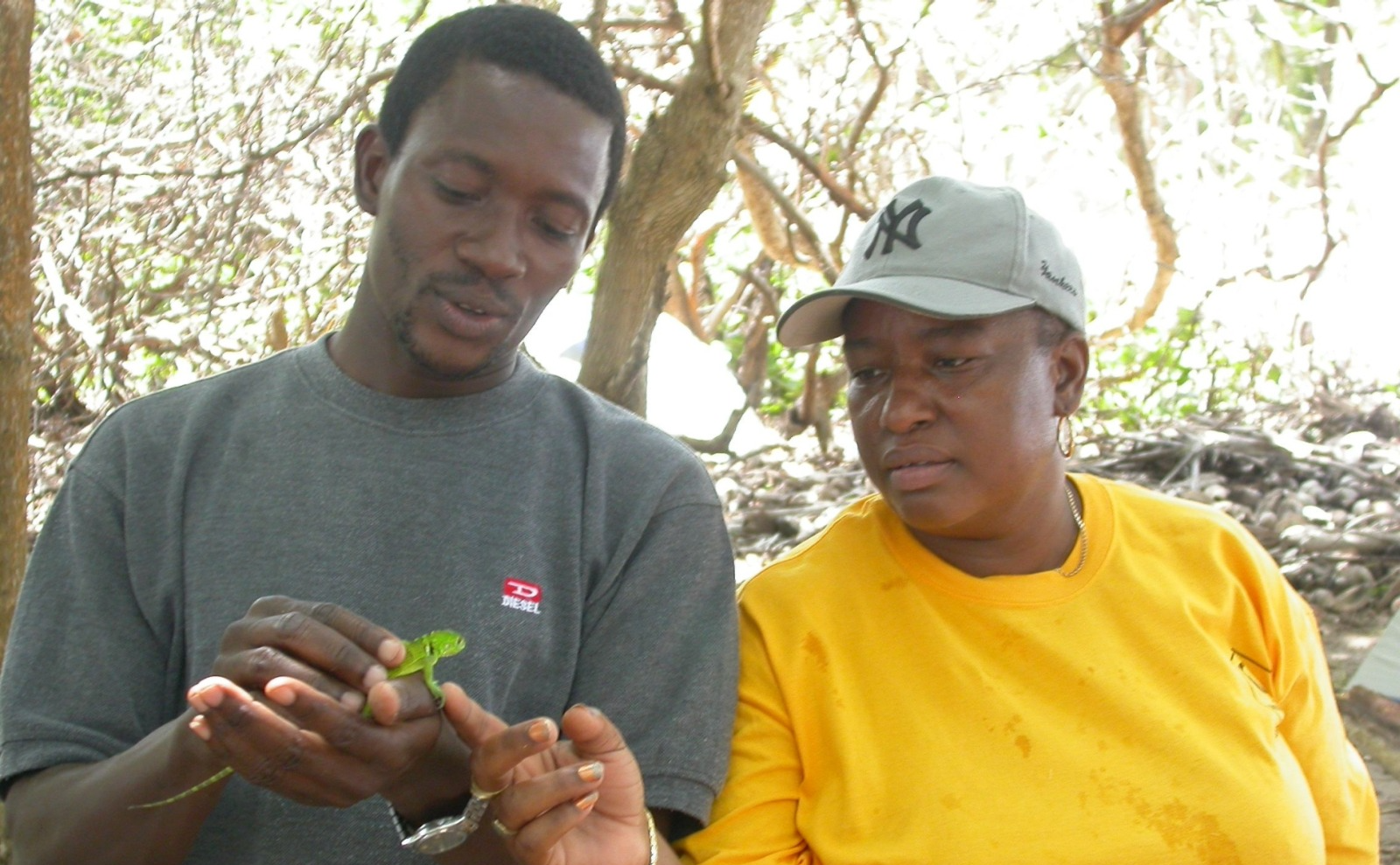
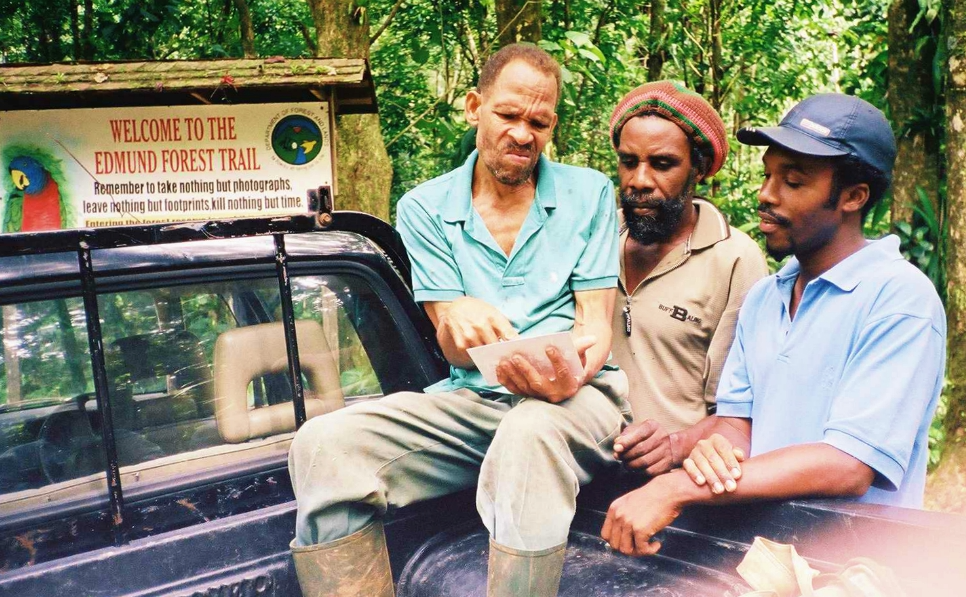
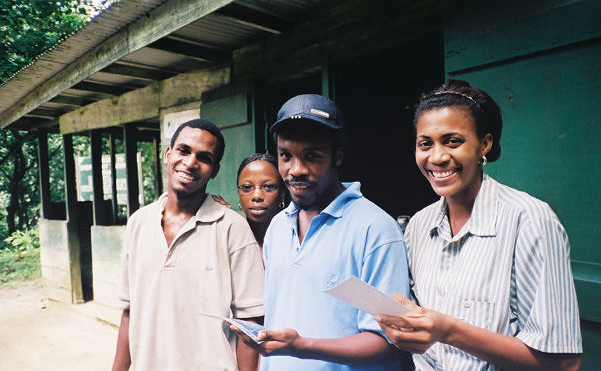
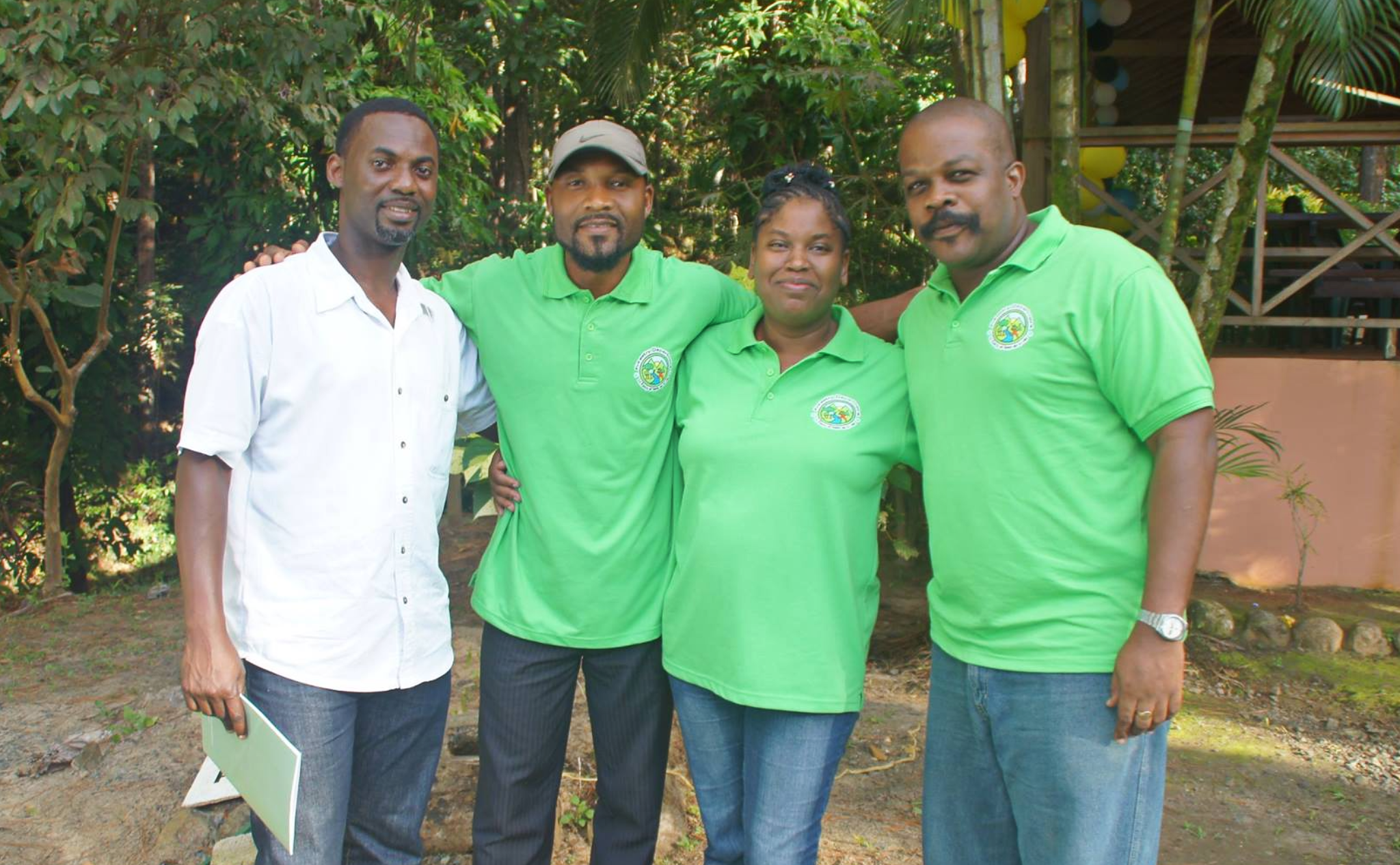

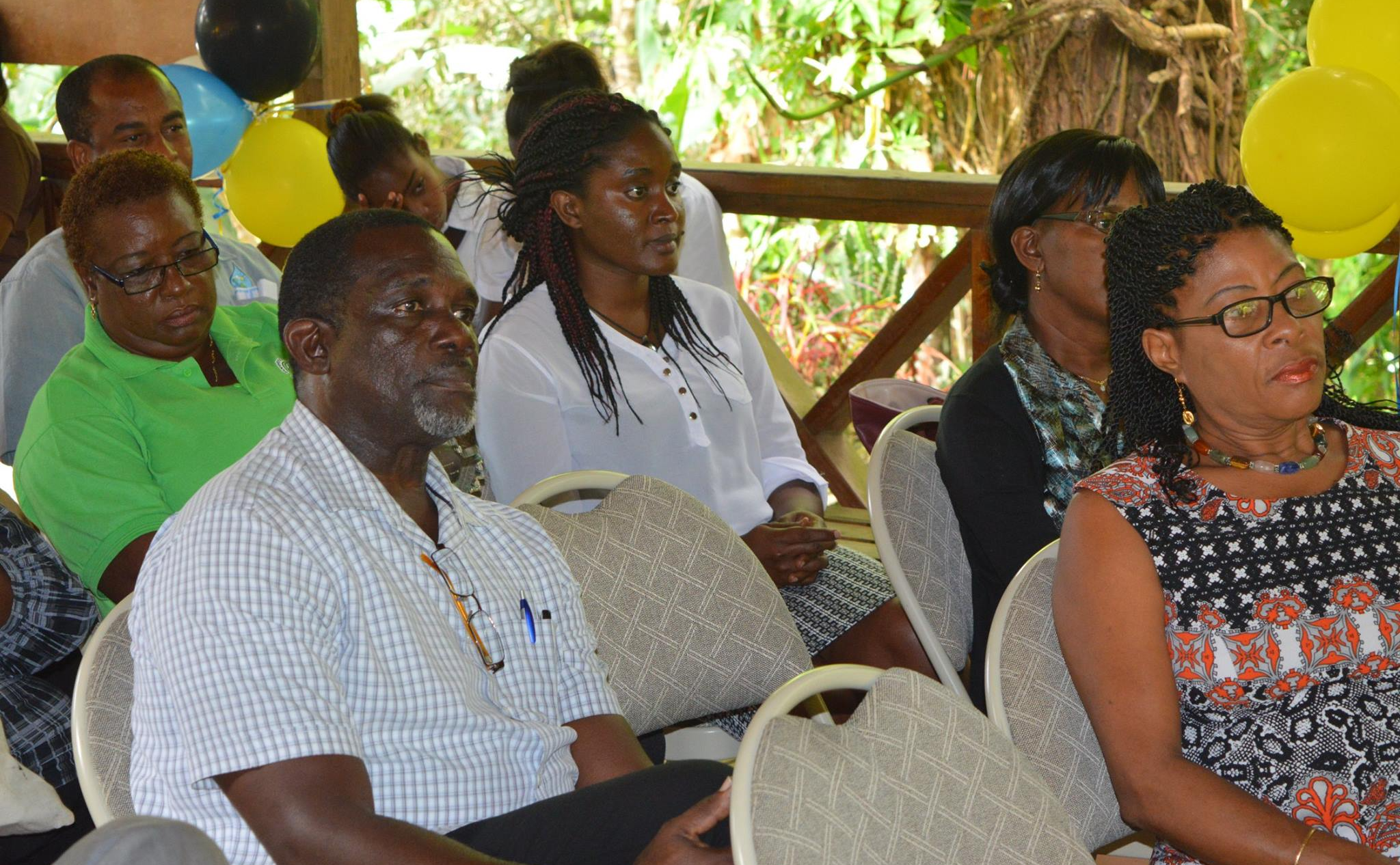
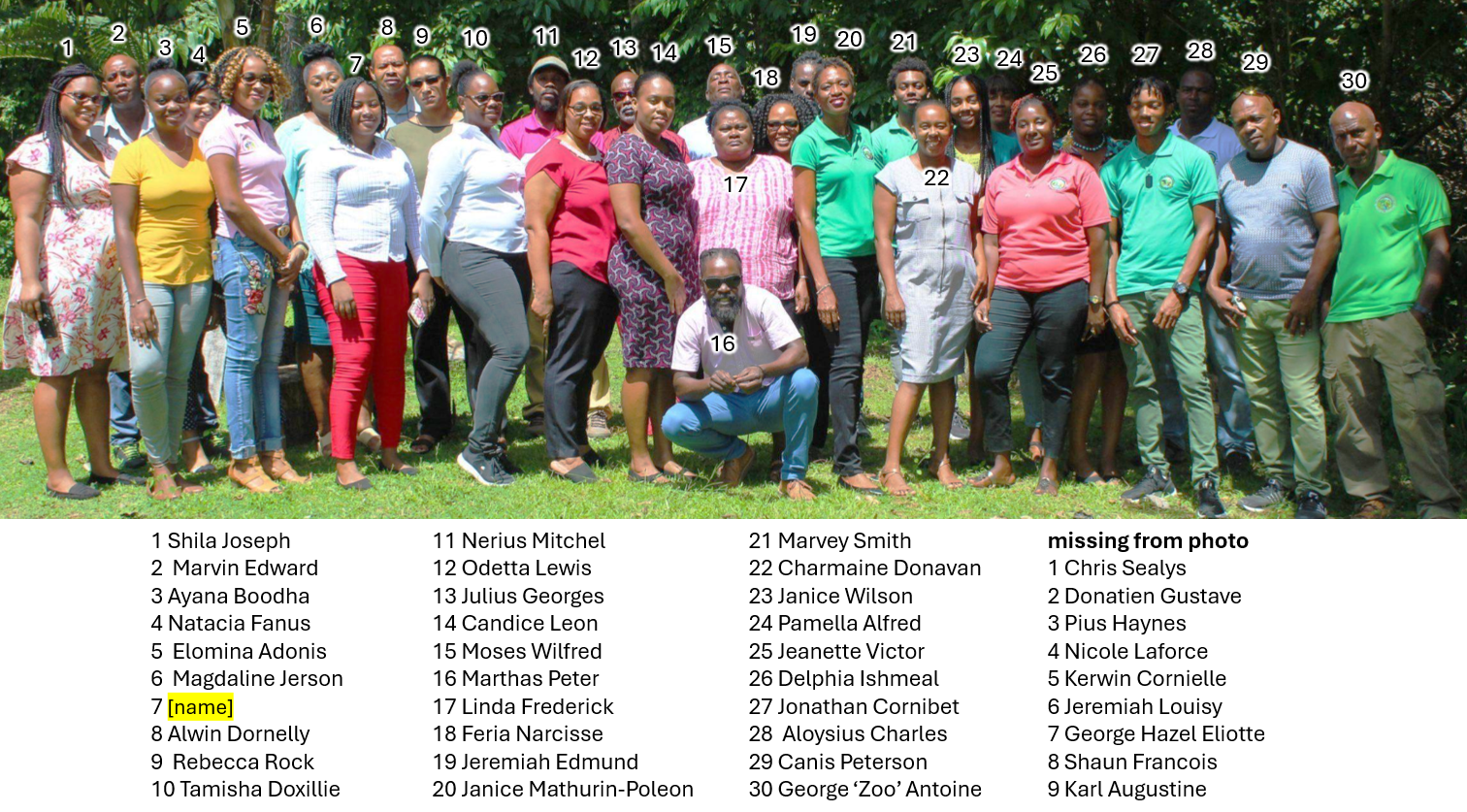
Forestry Department staff at 2022?